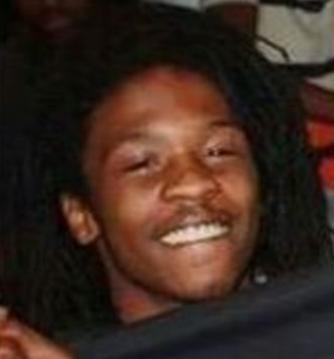
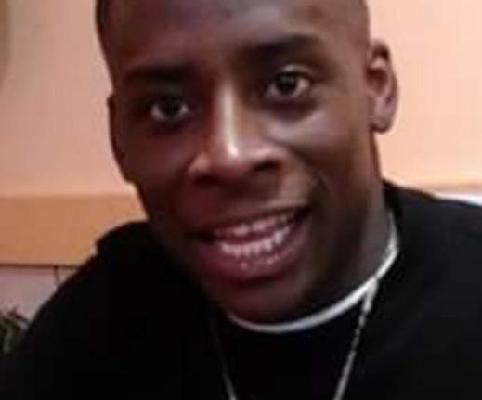
Raphael Christian, a 16-year-old Black male from Marietta, Georgia, died on April 16, 2008, after what began as an ordinary evening at the Bentley Manor apartment complex on Bentley Road. According to reports from the time, he was outside with four friends around 6:30 p.m., showing them an air-powered pellet gun he had recently bought. At nearly the same moment, Marietta police were responding to a call about a suspicious person with a weapon.
What happened next unfolded in seconds and left behind a case that has remained deeply painful and controversial.
Witness accounts described a sudden, chaotic confrontation. Friends said officers came onto the scene with guns drawn and shouted for the teenagers to freeze. Some of the boys tried to run, while others stopped when officers trained their weapons on them. Raphael kept moving and went around the corner of a nearby building. His friends later said they heard him cry out, and then everything went silent. Police said the pellet gun he had been carrying resembled a real semiautomatic handgun, specifically a Beretta-style. 22-caliber pistol, and that the officers believed they were facing an actual firearm in a fast-moving, dangerous situation.
The tragedy was sharpened by the details that emerged afterward. Family members said Raphael’s relatives had moved from Cincinnati hoping to leave violence behind, only to lose him in Georgia in a police shooting. His mother and other relatives publicly struggled to make sense of how a teenager with what turned out to be a pellet gun could end up dead. Some witnesses said Raphael tried to tell officers the gun was not real, while police maintained that the weapon looked authentic enough to pose an immediate threat. That gap between what police believed in the moment and what the family and witnesses said happened has defined the case ever since.
As for suspects, arrests, and charges, the officers identified in reports as having shot Raphael were Marietta police officers Andrew Phillips and Justin Rutland. They were the central figures in the investigation, but reporting indicates they were cleared in connection with the shooting. No arrests were made in Raphael Christian’s death, and no criminal charges against the officers were reported in the sources tied to the case. In other words, although the officers were identified as the ones who fired the fatal shots, the case did not result in a prosecution, trial, or conviction. The official outcome left the family without the kind of courtroom reckoning they had hoped for, and Raphael’s death remained, in the public record, one more devastating encounter where a young life ended before all sides of the story could ever be fully reconciled.