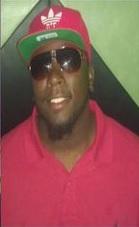
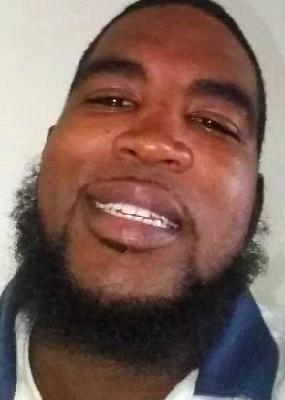
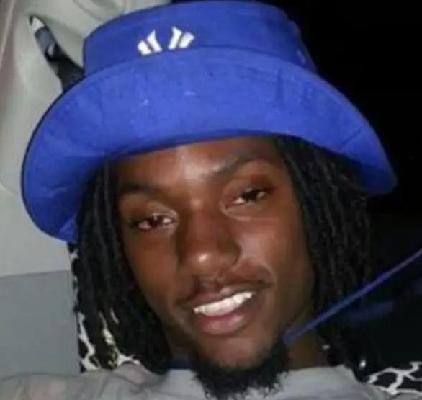
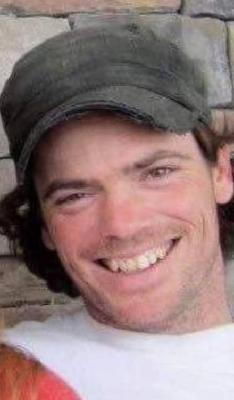
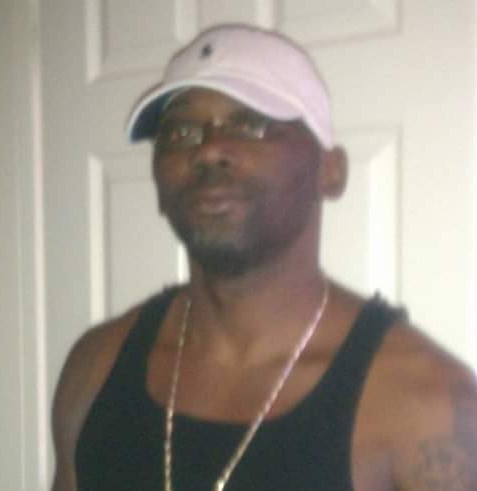
Emanuel Simmons, a 31-year-old Black man from Savannah, was shot in the early morning hours of November 14, 2015, near West 45th Street and Montgomery Street, in a part of the city that would be marked by violence twice in the same night. Officers responding around 2:30 a.m. found him suffering from gunshot wounds and rushed him to the hospital, but he did not survive. In the first public account from police, the killing was described simply as a homicide under investigation, with detectives trying to piece together what had happened in those dark hours before dawn.
For a long time, the case sat in that painful space between public grief and official silence. Nearly a year and a half later, family members were still pleading for answers, and investigators said they believed Simmons had not been killed in isolation. According to police and local reporting at the time, another man, Robert Brown, was shot and killed the same night off Montgomery Street, less than a mile away and roughly an hour and a half earlier. Detectives said they believed the same person or people were responsible for both killings, turning Simmons’s death into part of a larger and more haunting story unfolding along the same corridor of Savannah. His mother, speaking publicly as the case remained unsolved, recalled that she had been on the phone with him shortly before he was killed. He left behind three young daughters, including one who was still an infant when he died.
The first major break did not come until more than three years later. On December 31, 2018, Savannah police announced that detectives had served murder warrants on Nathaniel Thomas Pugh III, then 36, in connection with the fatal shootings of both Simmons and Brown. Police said the warrants were served while Pugh was already being held at the Jesup Federal Correctional Institute on an unrelated case. That announcement marked the first publicly identified suspect in Simmons’s death and, for the family, the first sign that the investigation had finally moved beyond unanswered questions and into formal criminal action.
Publicly available reporting located here ties the arrest news to those murder warrants, but it does not clearly show a later public resolution of the homicide case in the form of a reported trial, conviction, or sentence specifically for Emanuel Simmons’s killing. What the online record does show is a case that began with a street-corner shooting before sunrise, stretched through years of uncertainty, and eventually led detectives to name a suspect they believed was responsible not for one killing that night, but for two.