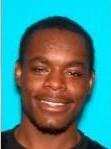
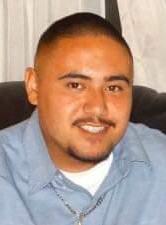
In the spring of 1986, a series of random, unprovoked shootings spread a palpable fear across the rural landscapes of Southern California. The second person to lose their life in this string of senseless attacks was Raymond Wallace Webber, a 19-year-old man from Yucaipa. His death on May 29, 1986, was a sudden and brutal act that left a family shattered and a community on edge, hunted by a man who became known as "The Backwoods Sniper."
On that Thursday morning, Ray was driving his pickup truck on a dirt road in San Timoteo Canyon, near Banning in Riverside County. He was on his way to a construction job, a young man starting his day like any other. Tragically, his path crossed with Danny Figueroa, a 26-year-old self-styled survivalist who had begun a 36-day reign of terror across Riverside and San Bernardino counties. Figueroa, armed with a shotgun, ambushed Ray and shot him once in the head. Ray was later found by his own brother, slumped over the steering wheel of his truck.
The killing of Ray Webber was the second in a series of violent attacks. Just over two weeks earlier, on May 13, Figueroa had shot and killed 52-year-old Reynold W. Johnson as he did yard work at his home in Aguanga. The attacks were marked by their randomness; the victims were ordinary people engaged in everyday activities, with no connection to their killer. After killing Ray, Figueroa would go on to shoot and wound another man, Robert Jimenez, in Indio, and then murder 72-year-old Mary Rose Lengerich while she walked her dog in Redlands on June 17.
The investigation, a joint effort by multiple law enforcement agencies, sparked a massive 12-day manhunt. The mysterious figure, often described by witnesses as wearing military-style fatigues and carrying a rifle, instilled fear in residents, who curtailed their outdoor activities. The break in the case came on June 28, 1986, when hikers spotted Figueroa in Reche Canyon, not far from his home in Moreno Valley. A large contingent of deputies, aided by helicopters, converged on the area and arrested him without a fight as he tried to hide in the undergrowth of a flood-control channel.
During interrogations, Danny Figueroa confessed to the three murders and the attempted murder. He offered a bizarre and unsubstantiated claim that he had killed Raymond Webber in self-defense, alleging that Ray had been following him in his truck for 25 miles. Investigators dismissed this claim, concluding that Ray was simply another random victim, tragically in the wrong place at the wrong time. Ballistics evidence from a rifle found with Figueroa linked him to the murder of Mary Lengerich, and other evidence connected him to the rest of the crimes.
Faced with three counts of first-degree murder with special circumstances, which made him eligible for the death penalty, Figueroa accepted a plea bargain. In June 1987, he pleaded guilty to three counts of murder, as well as charges of attempted murder, kidnapping, assault with a deadly weapon, and burglary. He was sentenced to a term of 66 years to life in prison. At the sentencing, Figueroa offered a brief apology, stating, "I am very sorry for what happened out there and I wish that it never happened."
The sentence brought little comfort to the victims' families. Ray Webber's father, Leonard Webber, then 62, voiced his profound grief and outrage at what he considered a lenient sentence. "I wish we could put this man out in the middle of the Mojave Desert, put honey on him and let the ants do justice," he told the press, expressing the deep and lasting pain of a father whose son was stolen from him. Danny Figueroa died in prison on December 20, 1998, at the age of 39. The case remains a chilling reminder of a brief but terrifying chapter in Southern California's history, when a man's violent fantasies turned the region's quiet backwoods into his personal hunting ground.