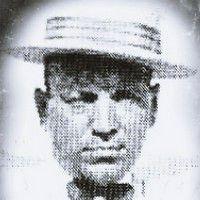
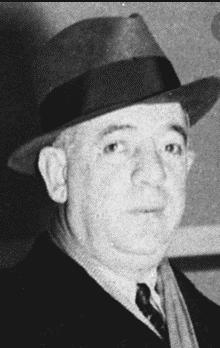
In the dim glow of a Manhattan flophouse, the once-bright flame of poet Maxwell Bodenheim's life was extinguished on the night of February 6, 1954. The 61-year-old White man, known in his heyday as the "King of Greenwich Village Bohemians," met a violent and tragic end far from the literary salons where he had once been celebrated. His final years were a portrait of decline, a slow descent into poverty and alcoholism that left him a specter haunting the same streets where he had once been a
king.
On that fateful night, Bodenheim and his third wife, Ruth Fagan, sought refuge from the cold in the room of a 25-year-old dishwasher named Harold "Charlie" Weinberg. The couple had befriended Weinberg on the streets, a seemingly charitable act that would have fatal consequences. In the cramped quarters, a drunken Bodenheim appeared to be asleep as Weinberg and Fagan engaged in an intimate act. When Bodenheim awoke and confronted Weinberg, a violent struggle ensued. The altercation culminated with Weinberg shooting the aged poet twice in the chest. Not content with one life, Weinberg then turned his fury on Ruth, beating her and stabbing her repeatedly in the back.
The discovery of the bodies in the Third Avenue rooming house sent a shockwave through the city, a grim final chapter in the bohemian poet's storied life. The investigation quickly zeroed in on Weinberg, who had been seen with the couple on the day of the murders. After his arrest, Weinberg confessed to the double homicide, offering a chilling and bizarre justification for his actions, claiming, "I ought to get a medal. I killed two Communists." His erratic behavior and inconsistent stories during questioning painted a picture of a deeply disturbed individual. Following his confession, Harold Weinberg was not subjected to a traditional trial. Instead, he was judged to be insane and was committed to a mental institution for his crimes.