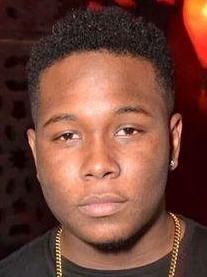
Oliver Askia, a 25-year-old Black man, was out in the West Bronx on the night of November 30, 2019, in the Morris Heights area near University Avenue, a place where weekend crowds spill out of bars and music thumps late into the cold. He was known in the nightlife scene as a DJ, and by the end of the night his name would be tied to a shooting that left friends struggling to understand how a routine night out could turn lethal.
Just before 11 p.m., gunfire erupted outside Krystal Bar & Lounge at 1534 University Ave. Police responding to reports of an assault arrived to find no victim at the scene; instead, investigators learned he had already been rushed away by private vehicle. He had been shot in the chest and was taken across the borough to NYC Health + Hospitals Jacobi, where he was pronounced dead. The first hours of the case were marked by that unsettling gap—an empty sidewalk where the shooting happened, then a hospital confirmation that turned a fast-moving night into a homicide investigation.
In the days that followed, the hunt centered on figuring out who had pulled the trigger and why. Early reporting described investigators searching for the gunman and suggested the shooter was not believed to be someone close to him, adding to the sense of randomness that his friends and loved ones voiced as they mourned. A vigil gathered people who remembered him for his music and the life he brought to parties—messages written, grief shared, and a community trying to make meaning out of a death that seemed to arrive without warning.
The case did not remain a mystery forever. Police later arrested two Bronx men, Luis Morillo and Miles Gibson, and prosecutors moved forward with serious allegations tied to the shooting outside the club. Court records show the two men were defendants in a Bronx Supreme Court case in which the prosecution’s theory included top-level charges such as murder in the second degree, manslaughter in the first degree, and counts of criminal possession of a weapon in the second degree—an indication of how firmly the authorities believed the shooting could be tied back to them.
But the courtroom story took a sharp procedural turn. On November 17, 2020, a Bronx Supreme Court judge dismissed the indictment, ruling that the grand jury presentation had been seriously impaired—particularly because a detective who had not witnessed the events was allowed to narrate and interpret marginal-quality surveillance footage in a way that risked taking the fact-finding role away from the grand jurors. The decision granted prosecutors permission to re-present the case to a grand jury within 45 days, leaving the public record, at least in widely available sources, with a sense of momentum interrupted: arrests made and charges leveled, then a reset ordered by the court over how the case was put before the grand jury.