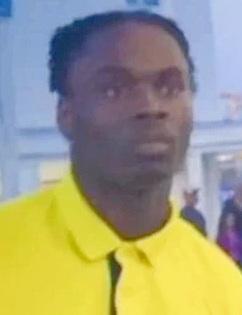
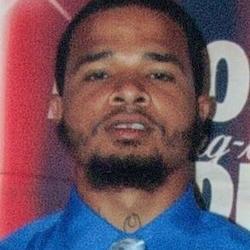
In the winter of 2016, the life of 31-year-old James Edward Joyce, a male resident of Salisbury, Maryland, was tragically cut short in a violent home invasion. On the evening of December 26th, an otherwise quiet night was shattered by the sound of gunshots inside a two-story apartment on Baker Street. When Salisbury police officers, flagged down by a concerned citizen, arrived at the scene, they discovered a grim tableau. Both Joyce and his mother, Hilda Barkley, had been shot.
While being rushed to Peninsula Regional Medical Center, James Joyce succumbed to his injuries. An autopsy would later confirm that his death was a homicide caused by a gunshot wound. His mother, having sustained two gunshot wounds, was treated at the same hospital and thankfully survived the ordeal.
The investigation, led by the Maryland State Police Homicide Unit, quickly pointed to a targeted attack, with investigators believing James Joyce was the intended victim of the home invasion. The search for those responsible intensified over the following weeks. In February 2017, a significant breakthrough occurred when authorities, with the assistance of the Maryland State Police Gang Enforcement Unit and the Maryland State Apprehension Team, arrested two 18-year-old men from Salisbury in connection with the murder.
The suspects were identified as Keone Davis and Daquawn Waters. At the time of their apprehension, both men were already wanted on outstanding warrants for gun violations. Following their arrest, they were charged with first and second-degree murder, along with other related criminal charges, for their alleged roles in the death of James Joyce and the assault on his mother. Despite the arrests, the investigation remained active, with law enforcement officials believing there may have been more than one suspect involved in the incident and offering a reward for information that could lead to further arrests.
While the initial arrests of Keone Davis and Daquawn Waters were widely reported, publicly available online sources do not contain detailed information regarding the subsequent legal proceedings, including the specific outcomes of their trials, any convictions, or sentencing for the murder of James Joyce. One source briefly mentions a Joshua Lankford being found not guilty of murder, but there is no clear connection established in the available information linking him directly to the death of James Joyce, and other reports detail his involvement in unrelated federal cases. Therefore, the final resolution of the criminal case against the individuals charged with the murder of James Joyce remains unclear based on the currently accessible online information.