William Dale Archerd – The Insulin Poisoner
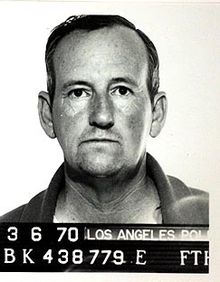
William Dale Archerd was an American serial killer who used an unusually difficult-to-detect method of murder: deliberately induced insulin shock. Over a period stretching from 1947 to 1966, people close to Archerd suffered sudden medical collapses that were initially blamed on accidents, existing medical conditions, drug overdoses, or unexplained illnesses. It was only after investigators examined the deaths together that a disturbing pattern emerged. Archerd was ultimately convicted of three first-degree murders, while evidence concerning three additional deaths was introduced at his trial to demonstrate what prosecutors described as a common plan or method.
The murders were particularly difficult to recognize because excessive insulin can cause severe hypoglycemia, depriving the brain of the glucose it needs to function. Victims may become confused, sweat heavily, suffer convulsions, lose consciousness, develop irreversible brain damage, and eventually die. During the years in which Archerd was committing his crimes, proving that insulin had deliberately been administered to a person who was not diabetic was extremely difficult. Archerd had firsthand knowledge of these effects because he had previously worked in a hospital where insulin shock therapy was used.
Early Life and Knowledge of Insulin
William Dale Archerd was born on May 5, 1912, in Dardanelle, Arkansas. Although he never became a physician, he developed an interest in medicine and found employment at Camarillo State Hospital in California. Between approximately 1939 and 1941, he worked as an attendant on a ward where insulin shock treatment was being used on psychiatric patients.
Insulin coma therapy, which was once used in the treatment of schizophrenia, involved giving carefully controlled quantities of insulin to deliberately lower a patient's blood sugar and produce a state of shock or coma. Medical personnel had to watch patients closely and administer glucose to reverse the reaction. Through his work, Archerd learned what insulin shock looked like, how rapidly a person's condition could deteriorate, and how the resulting symptoms could resemble other serious medical emergencies.
That knowledge later became central to the prosecution's case. Archerd understood that a victim suffering severe hypoglycemia could appear to have sustained a head injury, suffered a neurological crisis, overdosed on medication, or developed some other naturally occurring medical problem. Investigators eventually concluded that he repeatedly exploited that confusion.
A Pattern of Staged Accidents and Financial Schemes
Archerd's crimes were closely connected to deception. Several victims were allegedly persuaded to participate in staged accidents intended to produce insurance payments or help them escape other problems. The supposed accidents provided a convenient explanation when the victim later became unconscious. In other cases, Archerd was positioned to benefit financially from the death of a wife or relative.
He was married seven times and frequently experienced financial problems. Prosecutors presented evidence showing that substantial amounts of money disappeared from the accounts of women with whom he was involved. Insurance policies, inheritances, guardianship funds, and other financial arrangements repeatedly appeared around the deaths investigated by authorities.
Archerd's ability to appear calm and helpful also worked in his favor. For years, individual deaths seemed unrelated. Only when investigators compared medical records, witness statements, financial transactions, Archerd's knowledge of insulin, and his presence around the victims did the larger pattern become apparent.
William Edward Jones – October 12, 1947
The earliest death ultimately connected to Archerd was that of his friend William Edward Jones. In October 1947, Jones was facing serious criminal accusations and Archerd became involved in a plan designed to make it appear that Jones had suffered injuries in an automobile accident.
According to evidence later presented in court, Archerd obtained insulin and proposed using it to produce symptoms resembling a head injury. On October 10, Jones was found after an apparently staged automobile accident and taken to a hospital. Initially he was conscious, nervous, hungry, and suffering from a headache. His condition soon became far more serious.
Jones began perspiring heavily and developed muscle twitching, abnormal breathing, low blood pressure, and low blood sugar. He eventually slipped into a coma despite being given glucose. His brain had already sustained severe damage, and he suffered repeated convulsions and respiratory difficulties before dying at approximately 11:00 a.m. on October 12, 1947.
At the time, the significance of his low blood sugar was not recognized and his death was not treated as an insulin murder. Decades later, medical experts reviewing the records concluded that Jones's symptoms were consistent with profound hypoglycemia caused by excessive injected insulin. The Jones death was not one of the three murders for which Archerd was ultimately convicted, but prosecutors introduced it at his trial as evidence of his recurring method.
Zella Winders Archerd – July 25, 1956
Zella Winders became Archerd's wife on May 15, 1956. Barely two months later, she was dead. Her case was one of the three murders that eventually resulted in Archerd's first-degree murder convictions.
On the night of July 24, 1956, Archerd and Zella reported that two intruders had entered their home in Covina, California. Archerd claimed that the supposed robbers restrained them, stole money, and injected Zella with an unknown substance. Police immediately noticed suspicious inconsistencies. The house did not appear to have been meaningfully ransacked, valuable property had been left behind, and there were no obvious signs of forced entry.
Zella herself reportedly questioned whether the person responsible might have been her husband. Investigators observed puncture marks on her body, and a partially filled insulin bottle was discovered in a nearby vacant lot.
During the following morning, Zella's condition deteriorated dramatically. She perspired heavily, suffered convulsions, and became deeply unconscious. A practical nurse caring for her noticed puncture marks as well as a syringe in the bathroom. Although a physician suggested hospitalization when Zella's condition became critical, Archerd resisted sending her to a hospital, saying that she was afraid of hospitals.
Zella died at approximately 5:00 p.m. on July 25, 1956. Four puncture marks were ultimately observed. Her death was initially attributed to terminal bronchopneumonia resulting from a coma of undetermined origin. At Archerd's trial years later, medical experts concluded that she had suffered a massive insulin overdose that caused profound hypoglycemia, irreversible brain injury, coma, and ultimately death.
There was also a substantial financial dimension to the case. Zella had recently received money from the sale of her home, and thousands of dollars were depleted from a joint account during her short marriage to Archerd. He was also the beneficiary of an insurance policy.
Juanita Plum Archerd – March 13, 1958
After Zella's death, Archerd became involved with Juanita Plum. The couple eventually married in Las Vegas on March 10, 1958. Juanita was dead only three days later.
On March 12, Juanita became ill while in Las Vegas. She appeared intoxicated or drugged, was incoherent, semi-conscious, and sweating. At first, doctors believed alcohol or barbiturates might explain her condition. As the hours passed, however, she became unconscious and developed extremely poor vital signs.
Juanita was hospitalized, where she later suffered convulsions. Despite medical efforts that included administering glucose, she failed to recover and died at approximately 3:00 p.m. on March 13, 1958.
Her death was initially believed to have resulted from barbiturate poisoning and cardiac failure. When the case was reconsidered during the Archerd investigation, physicians concluded that the clinical picture was much more consistent with insulin shock. Juanita had spent significant periods alone with Archerd before her hospitalization.
Money again became an important issue. Evidence showed that thousands of dollars had disappeared from Juanita's finances while she was involved with Archerd. Shortly before her death, Archerd also attempted to obtain money from her daughter. Juanita's daughter became openly suspicious and accused Archerd of killing her mother. According to trial testimony, Archerd responded by threatening her.
Archerd was not separately convicted of Juanita's murder, but evidence concerning her death was admitted at his trial as part of the prosecution's demonstration of a common pattern of insulin poisonings.
Frank L. Stewart – March 17, 1960
Frank L. Stewart was the former husband of another woman Archerd had married. Stewart already had serious health problems, including arteriosclerosis, making him a particularly vulnerable target for a scheme involving a fabricated injury.
According to testimony presented at Archerd's trial, Stewart became involved in an insurance plan in which an apparent accident would occur at an airport. Insurance policies were purchased, and Stewart was subsequently taken to a Las Vegas hospital after supposedly falling and striking his head.
When admitted during the early hours of March 17, 1960, Stewart was described as rational, coherent, and alert. His injuries appeared minor. One pupil was unusually dilated, however, which could have suggested neurological trauma and helped support the supposed accident story.
A woman accompanying Archerd later gave investigators crucial information. She described seeing Archerd with a needle, syringe, and a small bottle resembling an insulin container. She said Archerd indicated that he needed to give Stewart medication and later returned from the hospital saying everything was all right.
During the afternoon, Stewart began suffering violent convulsions and rapidly deteriorated. He died at approximately 10:30 p.m. on March 17, 1960. His death was originally attributed to a cerebral hemorrhage associated with his vascular disease.
After investigators later reconstructed the circumstances and physicians reviewed his medical history, the autopsy findings were reassessed. Expert testimony concluded that insulin-induced hypoglycemia could have precipitated the fatal cerebral event. Stewart's death was introduced as another similar offense in Archerd's trial, although Archerd was not separately convicted of killing him.
Burney Kirk Archerd – September 2, 1961
One of the most disturbing murders was that of Archerd's 15-year-old nephew, Burney Kirk Archerd. Burney's father, Everett Archerd, had died in 1960, leaving the teenager entitled to compensation funds. William Archerd and his mother became co-guardians of Burney's money. After Archerd's mother later died, William stood to inherit from his nephew if Burney also died.
On August 22, 1961, Burney was healthy and showed no signs of serious injury when Archerd took him away in a car. Hours later, authorities were told that the boy had been struck by a truck. The story was suspicious. The truck supposedly involved showed no evidence of having struck Burney, and witnesses could not substantiate the account.
Burney was admitted to a Long Beach hospital with a sore hip and one unusually dilated pupil, but he was awake, alert, hungry, and did not appear seriously ill. The following day Archerd repeatedly visited him and was sometimes alone with him.
Later on August 23, Burney suddenly deteriorated and slipped into a profound coma. Surgery found no brain hemorrhage or traumatic injury that could explain the collapse. His blood sugar was abnormally low. Although doctors administered glucose, his improvement was only temporary. His blood sugar later fell again while Archerd continued to have access to him.
Burney never regained consciousness. He died on September 2, 1961. Examination of his brain showed catastrophic damage that could not be explained by the supposed traffic accident. At Archerd's trial, medical specialists testified that the damage was consistent with a massive insulin dose administered during the afternoon or evening of August 23, with evidence suggesting that additional insulin may subsequently have been administered.
Archerd was convicted of first-degree murder for Burney's death.
Mary Brinker Post Arden – November 3, 1966
Archerd's final confirmed victim was Mary Brinker Post, a successful writer and public relations professional whom he married while using the name James Lynn Arden. She had written fiction for magazines and was the author of novels including Annie Jordan and Prescription for Marriage.
Mary and Archerd's marriage developed serious financial problems. More than $21,000 was depleted from Mary's accounts between 1965 and October 1966, and she eventually filed for bankruptcy. By late 1966 the couple had separated.
On October 28, 1966, Mary was involved in an automobile accident in Montclair, California. Her injuries were minor. Her longtime physician examined her and found no evidence that she had suffered the type of serious head injury that would explain a later coma. After hearing about the accident, Archerd returned to Mary's home on October 31.
Mary appeared well on November 1. During the night, however, something changed. Early on November 2, Archerd approached neighbors and told them he was unable to awaken her. They entered the home and found Mary deeply unconscious. She was transported to Pomona Valley Community Hospital.
Tests revealed extremely low blood sugar. Although small amounts of barbiturates were detected, doctors determined that they could not explain the profound and continuing hypoglycemia. Mary remained in a deep coma despite treatment and died on November 3, 1966.
Medical experts later testified that Mary's condition was consistent with a massive injection of insulin administered before her hospitalization. Her blood sugar remained dangerously low even while glucose was being administered, strengthening the prosecution's argument that insulin was responsible.
Mary's death became the event that finally brought the long series of suspicious deaths into sharper focus. Investigators began examining Archerd's history and discovered that the same man had repeatedly been present when wives, relatives, and associates mysteriously collapsed with symptoms consistent with severe hypoglycemia.
Victims Connected to William Dale Archerd
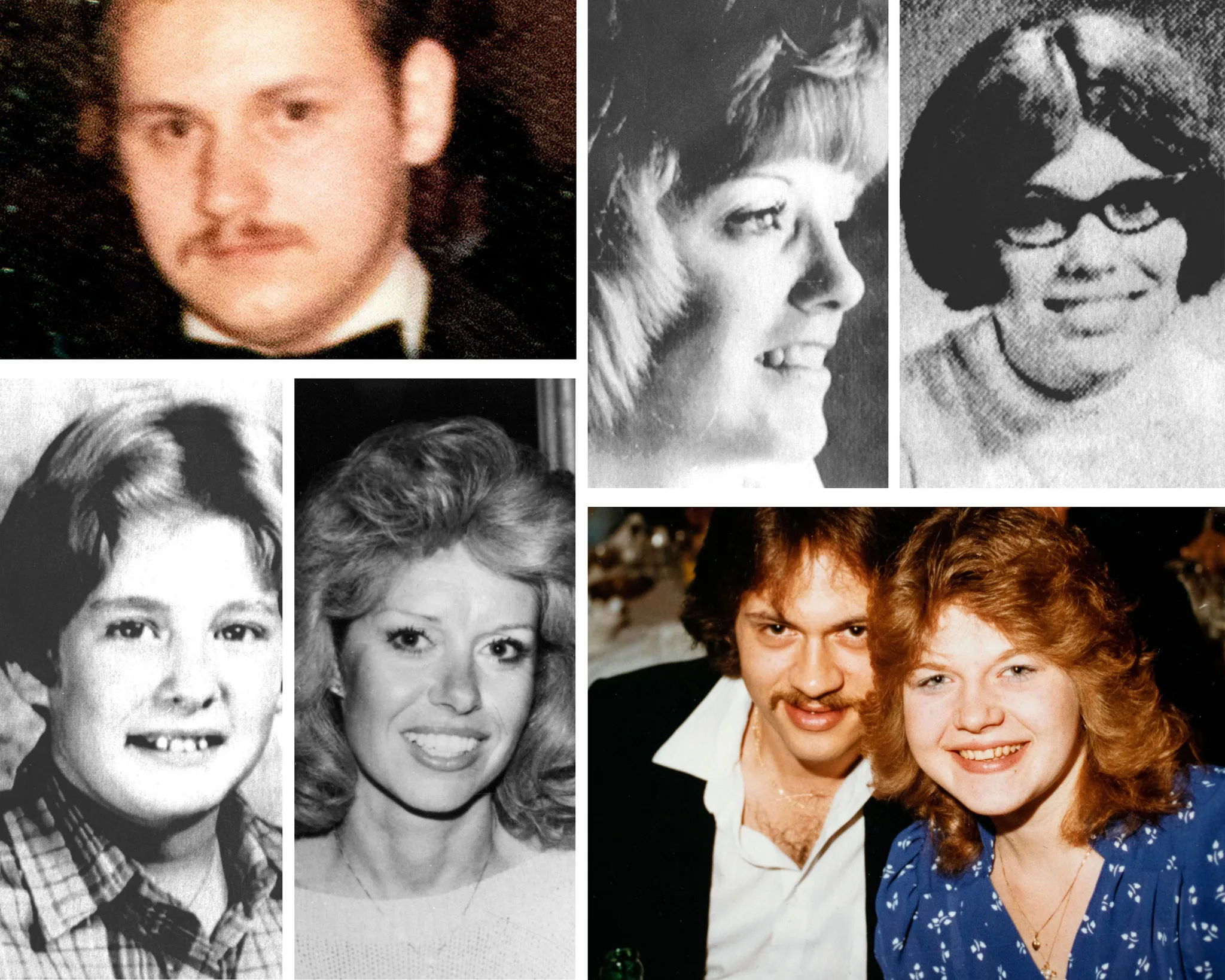
- William Edward Jones – Died October 12, 1947, in the Fontana, California area after a staged automobile-accident scheme. Medical experts later concluded that his fatal hypoglycemia was consistent with an excessive insulin injection. His death was presented as a similar offense at Archerd's trial, but Archerd was not separately convicted of his murder.
- Zella A. Winders Archerd – Died July 25, 1956, at her home in Covina, California. Archerd claimed that burglars had injected her during a robbery, but investigators found evidence contradicting his account. Archerd was convicted of first-degree murder for her death.
- Juanita Plum Archerd – Died March 13, 1958, in a Las Vegas, Nevada hospital, three days after marrying Archerd. Her death was initially attributed to barbiturate poisoning, but medical experts later concluded that her symptoms were consistent with insulin shock. Her death was introduced at Archerd's trial as evidence of a similar offense.
- Frank L. Stewart – Died March 17, 1960, in Las Vegas, Nevada, following an alleged airport accident and insurance scheme. His death was initially attributed to cerebral hemorrhage. Investigators later developed evidence indicating that Archerd had administered insulin. His death was introduced as a similar offense rather than prosecuted as one of the three charged murders.
- Burney Kirk Archerd – Died September 2, 1961, in Long Beach, California, after spending approximately ten days in a coma following a suspicious supposed traffic accident. He was 15 years old. Archerd was convicted of first-degree murder for his nephew's death.
- Mary Brinker Post Arden – Died November 3, 1966, after being hospitalized at Pomona Valley Community Hospital in California with profound hypoglycemia and coma. Archerd was convicted of first-degree murder for her death.
The Investigation
By the time investigators began viewing the deaths as part of a single series, some of the cases were decades old. Physical evidence had disappeared, original medical conclusions had been based on incomplete information, and investigators had no eyewitness who could directly testify to seeing Archerd administer a fatal insulin injection to each of the three charged victims.
The investigation therefore depended on reconstructing the circumstances surrounding each death. Detectives located hundreds of witnesses, examined old hospital and autopsy records, traced financial transactions, reviewed Archerd's marriages and insurance arrangements, and consulted specialists knowledgeable about hypoglycemia and insulin.
The similarities became increasingly significant. Victims repeatedly suffered sudden coma, convulsions, heavy perspiration, abnormal neurological signs, and dangerously low blood sugar. Several supposedly suffered accidents shortly before collapsing. Archerd had access to them during critical periods, had extensive practical knowledge of insulin shock, and in a number of cases was connected to a financial benefit or insurance scheme.
Investigators also uncovered evidence that Archerd had experimented with staged accidents. His willingness to manufacture the appearance of trauma helped explain why several victims had initially appeared to be suffering from accident-related brain injuries rather than deliberate poisoning.
Arrest and Murder Trial
William Dale Archerd was arrested on July 27, 1967. He was formally prosecuted for the murders of Zella Winders Archerd, Burney Kirk Archerd, and Mary Brinker Post Arden. The deaths of William Edward Jones, Juanita Plum Archerd, and Frank L. Stewart were presented as evidence demonstrating a recurring plan and method.
Archerd waived a jury trial and allowed his case to be decided by a judge. Prosecutors relied heavily on medical testimony explaining hypoglycemia, the effects of insulin, and the remarkable similarities among the victims' symptoms. His previous employment in the insulin shock ward at Camarillo State Hospital provided compelling evidence that he possessed specialized knowledge of the substance long before the deaths occurred.
In 1968, Archerd was found guilty of three counts of first-degree murder. The court concluded that the deaths had been deliberate poisonings and imposed death sentences for the murders.
A Landmark Insulin Murder Case
The Archerd prosecution became historically important because it was the first successful murder conviction in the United States involving insulin as the murder weapon. Investigators and medical experts were forced to confront a poison that did not behave like more traditional toxins and that could disappear from the body while leaving behind symptoms that resembled natural disease or traumatic injury.
The case also demonstrated the dangers of examining suspicious deaths in isolation. For years, each victim appeared to have suffered a separate tragedy: an automobile accident, medication overdose, cerebral hemorrhage, unexplained coma, or other medical catastrophe. When the deaths were placed together, Archerd's presence and the repeated signs of hypoglycemia revealed a much more coherent pattern.
Death Sentence and Later Imprisonment
Archerd's convictions and death sentences were reviewed by the California Supreme Court, which upheld the judgment in 1970. The court also ruled that evidence concerning the deaths of Jones, Juanita Archerd, and Frank Stewart had properly been admitted to demonstrate Archerd's common method and plan.
Archerd was initially held under sentence of death, but changes in death-penalty law during the early 1970s prevented his execution. His sentence was ultimately reduced to life imprisonment.
William Dale Archerd remained incarcerated for the rest of his life. He died from pneumonia on October 29, 1977, at the California Medical Facility in Vacaville. He was 65 years old.
Legacy of the Archerd Murders
William Dale Archerd's crimes remain notable because of the combination of medical knowledge, deception, financial exploitation, and staged accidents that allowed him to remain undetected for so long. His victims were not strangers selected at random. They were wives, relatives, friends, and associates who trusted him or allowed him close enough to manipulate circumstances surrounding their illnesses.
Three deaths resulted in murder convictions: Zella Winders Archerd, Burney Kirk Archerd, and Mary Brinker Post Arden. Three additional deaths—William Edward Jones, Juanita Plum Archerd, and Frank L. Stewart—were sufficiently similar that prosecutors presented them in court as evidence of Archerd's continuing pattern. The California Supreme Court subsequently upheld the use of that evidence.
From the 1947 death of William Jones through the 1966 death of Mary Post Arden, nearly two decades passed before the full extent of the pattern was recognized. Archerd's case became an important example of how advances in forensic medicine, careful examination of old medical records, and comparison of apparently unrelated deaths can expose a serial offender whose crimes were originally hidden behind seemingly natural illnesses and accidents.