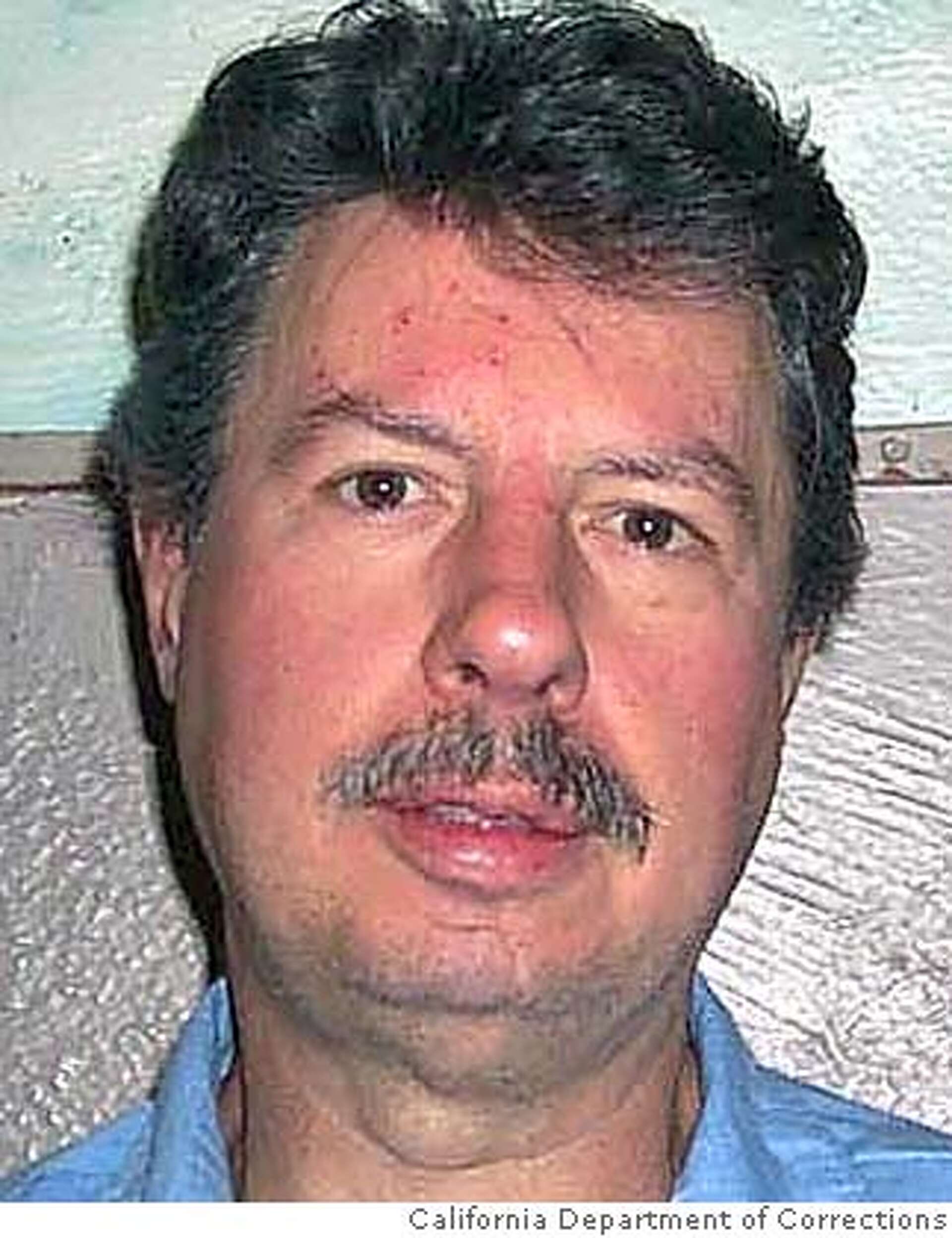
Bert Leroy Hunter: The Paroled Killer
Overview
Bert Leroy Hunter's criminal career was a grim testament to a flawed justice system, defined by two brutal and widely separated acts of violence. In 1968, he murdered a tavern owner during a robbery, earning a life sentence that should have kept him away from society. Yet, after just over a decade, he was paroled. For years, he lived a seemingly quiet life until, in 1988, he reunited with a fellow paroled murderer he had met in prison. Together, they planned a robbery that ended in the cold-blooded suffocation of an elderly woman and her son in their Jefferson City home. Hunter’s case, which culminated in his own request for the death penalty, ignited fierce debate over the wisdom of paroling violent offenders. He was executed by the state of Missouri in 2000, leaving behind a legacy of senseless loss and questions about the nature of rehabilitation.
Early Life and First Murder
Bert Leroy Hunter was born on March 7, 1947, in Stilwell, Oklahoma. His family later moved to Missouri, where his encounters with the law began at a young age. In 1963, when he was 16, he and an accomplice were arrested for burglarizing a gas station in Winthrop, Missouri. As a juvenile, he received a lenient sentence. However, this early brush with the law did not deter him from a path of escalating criminality.
On the night of June 16, 1968, the 21-year-old Hunter and his friend, Carl W. Paxton, drove to the small town of Amazonia, Missouri, with the intent to commit a robbery. Their target was Lyle's Tavern. Armed with a .22 caliber pistol, Hunter entered the establishment while Paxton waited outside. Inside, he confronted the owner, 58-year-old John Montford Lyle. During the robbery, Hunter shot Lyle in the head, killing him. The two men fled with the tavern's cash.
The investigation quickly centered on Hunter. His girlfriend and her roommate, who had knowledge of the crime, provided statements to the police. Hunter was arrested and charged with first-degree murder. At his trial in May 1969, a jury found him guilty, and he was sentenced to life in the Missouri State Penitentiary. Hunter appealed his conviction, arguing that his confession had been coerced and that he had been denied a speedy trial, but the Missouri Supreme Court and later federal courts upheld the verdict.
Prison, Parole, and a Fateful Friendship
Inside the Missouri State Penitentiary, Hunter's path crossed with that of Tomas Grant Ervin. Ervin was also a convicted murderer, serving a life sentence for the 1967 stabbing death of a cab driver in St. Louis during a robbery. The two men, both imprisoned for similar crimes, formed a bond.
Despite the violent nature of his crime, Hunter became eligible for parole. In a decision that would later be scrutinized and condemned, the Missouri Board of Probation and Parole granted his release in 1980. After his release, Hunter eventually moved to Largo, Florida, where he found work and, for a time, stayed out of serious trouble. Ervin was also paroled in 1983 and settled in Jefferson City, Missouri. The two men stayed in contact over the years.
The Hodges Murders
In November 1988, Hunter decided to travel from Florida to visit his old prison friend in Jefferson City. The reunion quickly turned to plotting. Both men were in need of money, and their discussions revolved around how to get it. They initially considered robbing a bank but dismissed the idea as too risky. Ervin then proposed a different plan: they would find a wealthy person, kidnap them, and force them to withdraw money from their bank account. He reasoned it would be a safer and more controlled crime.
On the afternoon of December 15, 1988, they set their plan in motion. Driving through an affluent neighborhood in Jefferson City, Ervin pointed out a well-maintained home with a Lincoln Continental parked in the driveway, assuming the residents were wealthy. The home belonged to 75-year-old Mildred Lorene Hodges, a widow who ran a real estate business with her 49-year-old son, Richard Earl Hodges.
Hunter approached the front door, carrying a package to pose as a deliveryman. When Mildred Hodges answered, he forced his way inside, brandishing a pistol. Her son, Richard, who was elsewhere in the house, heard his mother's screams and ran to her aid. Hunter and Ervin quickly overpowered him. They forced Richard to bind his mother's hands and feet with duct tape before they bound him as well.
The initial plan to extort money dissolved as the two men realized their victims could identify them. Their crime shifted from robbery to murder. To avoid leaving any witnesses, they decided to kill both mother and son. Using plastic trash bags they had brought with them, they suffocated Mildred and Richard Hodges. After the murders, they ransacked the home, stealing cash, jewelry, a VCR, and other valuables. They loaded the stolen goods into Mildred's Lincoln and drove away, leaving her body in the house. Later that evening, they returned to the scene to dispose of Richard's body, wrapping it in more trash bags and duct tape before dumping it in a remote, marshy area near the town of Marion.
The Victims
- John Montford Lyle, 58 — June 16, 1968, in Amazonia, Missouri. A respected local business owner, Mr. Lyle was operating his tavern when he was shot and killed during a robbery.
- Mildred Lorene Hodges, 75 — December 15, 1988, in Jefferson City, Missouri. A widow and businesswoman, she was known in her community for her work in real estate. She was murdered in her home during a violent invasion.
- Richard Earl Hodges, 49 — December 15, 1988, in Jefferson City, Missouri. He worked alongside his mother in their family real estate business. He was murdered while trying to protect her from their attackers.
Investigation and Capture
On December 19, 1988, railroad workers discovered Richard Hodges' body. The discovery led police to the Hodges' home, where they found the body of his mother, Mildred. The crime scene yielded a critical clue: a handwritten note with a partial license plate number, which investigators traced back to Tomas Ervin.
When detectives questioned Ervin, he denied involvement and tried to establish an alibi, but his story was inconsistent and only served to deepen their suspicion. Meanwhile, investigators learned that Hunter had been visiting Ervin. They traced a license plate number from a car Hunter had been driving and discovered that he was already in custody in Pinellas County, Florida, having been arrested for a parole violation.
In January 1989, Missouri authorities charged both Hunter and Ervin with two counts of first-degree murder, first-degree robbery, and armed criminal action. Hunter was extradited from Florida to Missouri to face the charges.
Trial and Sentence
On March 28, 1989, a grand jury in Cole County, Missouri, formally indicted Bert Leroy Hunter. He was granted permission to act as his own attorney, with a public defender appointed to assist him. At a court hearing on July 21, 1989, Hunter stunned the court by pleading guilty to all charges. He told the judge that he was suicidal, that he deserved to die for what he had done, and he explicitly asked for the death penalty.
Several months later, while awaiting sentencing, Hunter's mental state seemingly stabilized. He filed a motion to withdraw his guilty plea, claiming he had been mentally incompetent and under extreme emotional duress when he made it. He argued that his plea was essentially a state-assisted suicide attempt. The court, however, found that Hunter had been competent and had entered his plea knowingly and voluntarily. The motion was denied. On February 15, 1990, the court formally sentenced Bert Leroy Hunter to death for the murders of Mildred and Richard Hodges and to a consecutive life sentence for the robbery.
Tomas Ervin chose to go to trial, steadfastly maintaining his innocence. He concocted a story that Hunter had committed the murders with a third, unidentified man. However, Hunter testified against Ervin, providing a detailed account of how they planned and carried out the crimes together. The jury found Ervin's story unbelievable and convicted him on all counts. He, too, was sentenced to death.
Appeals and Execution
Despite his initial death wish, Hunter's case entered the lengthy appeals process. His lawyers and anti-death penalty advocates argued that his guilty plea was invalid due to his documented mental illness and suicidal state at the time. They contended that allowing a man to essentially volunteer for execution under such circumstances was a violation of his rights. The appeals moved through the state and federal court systems for a decade, but his conviction and sentence were consistently upheld. The Missouri Supreme Court affirmed the lower court's finding that Hunter had been competent to enter his plea.
As his execution date neared, Hunter seemed to accept his fate. On June 28, 2000, at the Potosi Correctional Center, Bert Leroy Hunter was executed by lethal injection. He was 53 years old. His final statement, delivered just before the sentence was carried out, was, "There is no justice. It's time for this nightmare to be over, as far as I'm concerned."
Tomas Grant Ervin continued to fight his conviction from death row, insisting he was merely a bystander to Hunter's crimes. His appeals were ultimately exhausted, and he was executed by lethal injection on March 28, 2001.
Aftermath and Legacy
The case of Bert Leroy Hunter sent shockwaves through Missouri and the nation, becoming a flashpoint in the debate over parole for violent criminals. The fact that two men, both convicted of murder and sentenced to life, could be released only to kill again was seen as a catastrophic failure of the correctional system. The brutal, senseless murders of Mildred and Richard Hodges, a mother and son targeted at random in the safety of their own home, horrified the community of Jefferson City.
Hunter holds a unique place in Missouri's legal history as the first person executed under the state's modern death penalty statute who had pleaded guilty and waived his right to a jury trial for sentencing. His case remains a chilling study of recidivism and the potential for violence that can lie dormant for years, only to re-emerge with devastating consequences. The story of his crimes serves as a grim reminder of the profound and lasting impact of a single decision made by a parole board two decades earlier.