The Salish Sea Killer: The Serial-Murder Theory Behind the Severed Feet Mystery
Overview of the Case
The name “Salish Sea Killer” refers to an unproven theory created after a series of detached human feet began washing ashore along the coasts of British Columbia and Washington State. The first widely reported discovery occurred on August 20, 2007, when a girl exploring Jedediah Island in British Columbia found a man’s right foot inside a running shoe. Six days later, another man’s right foot was discovered on nearby Gabriola Island. Because the feet belonged to different people and appeared within a short period of one another, the discoveries immediately generated fears that someone was killing people and disposing of their bodies in the surrounding waterways.
Additional feet were subsequently recovered from islands, beaches and river mouths throughout the Salish Sea, the interconnected system of coastal waters that includes the Strait of Georgia, the Strait of Juan de Fuca and Puget Sound. The unsettling pattern inspired stories about a serial killer who supposedly removed the feet of victims as trophies or left them behind as a signature. No person, however, has ever been officially identified by police as the “Salish Sea Killer,” and investigators have found no evidence that the recovered feet were deliberately severed.
The Beginning of the Mystery
On August 20, 2007, a human foot was found inside a white-and-blue Adidas running shoe on Jedediah Island. The shoe contained a man’s right foot. On August 26, another man’s right foot was discovered in a white Reebok shoe on Gabriola Island. The fact that both were right feet proved that they came from separate individuals.
A third right foot was found on Valdes Island on February 8, 2008. On May 22, 2008, a woman’s right foot was discovered on Kirkland Island in the Fraser River. Less than a month later, on June 16, a man’s left foot was found near Westham Island. Investigators later determined that the Westham Island foot and the Valdes Island foot belonged to the same person.
The discoveries continued over the following years. Some were single feet, while others were matching pairs found months apart and many miles from one another. Nearly all were enclosed in running shoes or boots. The repeated appearance of shoe-covered feet in a relatively confined geographical region gave the mystery the appearance of an organized pattern, even though forensic testing would eventually provide a natural explanation.
Known and Identified Individuals
Authorities have protected the identities of several people whose feet were recovered, particularly when evidence indicated suicide or accidental death. Exact dates of death could not be established in many cases because only partial remains were found. The following individuals and cases have been publicly connected to discoveries in or near the Salish Sea:
- Unidentified missing man from British Columbia: Reported missing while suffering from depression. His right foot was discovered on August 20, 2007, on Jedediah Island, British Columbia. His name and exact date of death were withheld from the public.
- Unidentified 21-year-old Surrey man: Reported missing in January 2004. His right foot was found on May 22, 2008, on Kirkland Island, and his left foot was discovered on November 11, 2008, near Richmond, British Columbia. DNA testing confirmed that both feet belonged to him. His exact date of death and name were not publicly released.
- Unidentified man linked to two island discoveries: A right foot was found on February 8, 2008, on Valdes Island, British Columbia. A matching left foot was recovered on June 16, 2008, near Westham Island in the Fraser River. Authorities determined that the man had died before the discoveries, but his exact death date was not publicly established.
- Unidentified woman connected to a Washington bridge death: A woman’s foot was discovered on August 27, 2010, on Whidbey Island, Washington. Investigators connected it to a woman who had jumped from a bridge. Her identity and exact date of death were withheld out of respect for her family.
- Unidentified fisherman: One of the feet recovered in Washington State was identified as belonging to a fisherman who had previously disappeared. Authorities did not publicly release his identity or an exact date of death.
- Antonio Neill: Neill was 22 years old when he was last seen on December 12, 2016, at a residence on Cedar Street in Everett, Washington. A foot belonging to him was recovered on January 1, 2019, on Jetty Island in Everett. His precise date and cause of death have not been officially determined, and detectives have continued investigating the circumstances of his disappearance.
- Jerilyn L. Smith: Smith disappeared from the Sequim, Washington, area in January 2018. A foot recovered near the mouth of the Elwha River west of Port Angeles was later identified through DNA and forensic genealogy as belonging to her. Her exact date and manner of death have not been publicly established.
- Unidentified man from the Locust Beach discovery: On November 21, 2021, bones from a man’s right foot were found inside a size-seven Brahma work boot on Locust Beach near Bellingham, Washington. His name and date of death had not been publicly confirmed at the time of the investigation.
Why Investigators Rejected the Serial-Killer Theory
Forensic examinations found no cut marks, saw marks or other evidence showing that the feet had been deliberately removed. Instead, the bones displayed signs consistent with natural separation during decomposition. The ankle contains numerous relatively small bones connected by ligaments and soft tissue. When a body remains submerged, marine organisms and decomposition gradually destroy those tissues. Once the connective tissue is gone, the foot separates naturally from the leg.
Experiments conducted by forensic researchers showed that crabs, shrimp and other marine scavengers can reduce submerged remains far more rapidly than many people expect. The ankle is especially vulnerable because scavengers can consume the soft tissue surrounding the joint. A foot enclosed in a shoe may remain protected after the rest of the body has decomposed or been scattered.
Investigators also found that modern athletic shoes helped create the unusual concentration of discoveries. Running shoes manufactured with lightweight foam and synthetic materials are highly buoyant. After a foot separates from a submerged body, the shoe can carry it to the surface. Winds, tides and currents then transport it toward beaches and islands.
The Importance of the Salish Sea
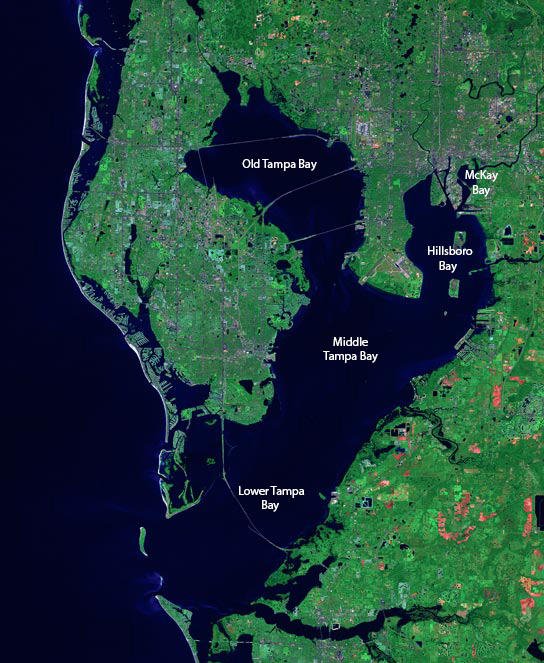
The geography of the Salish Sea contributed to the number of remains reaching shore. Its islands, channels, rivers and enclosed coastal passages can trap floating objects and repeatedly carry them toward populated shorelines. Prevailing winds often move debris from west to east, while tides circulate objects among the islands and coastal communities of British Columbia and Washington.
The region also contains busy shipping routes, fishing areas, bridges, ferry lanes and recreational waterways. Accidental drownings, boating incidents, suicides and disappearances have occurred throughout the area. Because many bodies remain underwater and are never recovered intact, detached remains may be the first physical evidence found years after a person vanished.
Rumors of Murder and Organized Crime
Before forensic science clarified the pattern, several criminal theories attracted public attention. Some people believed the feet belonged to victims of organized crime who had been killed and thrown into the water. Others imagined a murderer with a fixation on feet or a killer using severed feet as a signature. The discovery of mostly right feet during the early years made the apparent pattern seem even more suspicious.
There were also theories involving human trafficking, unidentified migrants, victims of a plane crash and people killed during natural disasters. None of these explanations accounted for all of the evidence. As investigators matched feet through DNA, dental information, missing-person reports and shoe-manufacturing dates, most cases were connected to people who had disappeared near waterways or were believed to have died by suicide or drowning.
Antonio Neill and the Continuing Investigation
Antonio Neill’s case remains one of the discoveries with unresolved circumstances. He was last seen on December 12, 2016, after reportedly being involved in a physical altercation at an Everett residence. His family reported him missing when he failed to return or contact them.
More than two years later, a human foot was found on Jetty Island. DNA testing identified the remains as Neill’s. Although the discovery established that he had died, it did not reveal exactly how, when or where his death occurred. Authorities have continued to seek information about his final movements and the altercation reported on the night he disappeared. His case has not been officially attributed to a serial killer or connected to the deaths represented by the other recovered feet.
No Confirmed Serial Killer
Despite the disturbing number of discoveries, law-enforcement officials and forensic specialists have not found evidence of a single murderer operating around the Salish Sea. The feet came from different people who disappeared at different times and under different circumstances. Some were matched pairs from the same individual, reducing the number of separate people represented by the discoveries.
The absence of deliberate cutting is especially important. A killer removing feet would be expected to leave tool marks or other evidence of trauma on the bones. Instead, examinations consistently indicated disarticulation caused by decomposition. The shoes did not appear to have been selected or placed by another person; they were the footwear the deceased had been wearing when entering the water.
Legacy of the Salish Sea Mystery
The legend of the Salish Sea Killer grew from a genuine series of unsettling discoveries, but it was never supported by proof of serial murder. The combination of natural decomposition, marine scavenging, buoyant footwear and the currents of an enclosed coastal sea created what initially appeared to be a sinister criminal pattern.
The case demonstrates how incomplete remains can produce fear and speculation before forensic evidence is understood. While the discoveries were not the work of a confirmed serial killer, they represented real people whose families had lived with unanswered questions about their disappearances. DNA analysis eventually gave several families confirmation that their missing relatives had died, even when investigators could not determine an exact date or cause.
The phrase “Salish Sea Killer” therefore describes a theory rather than an actual identified murderer. No confirmed victim list exists, no suspect has been charged and no series of homicides has been established. The enduring mystery is not the identity of a hidden killer, but the individual circumstances that caused each person to enter the water and the long journeys their remains made before reaching shore.