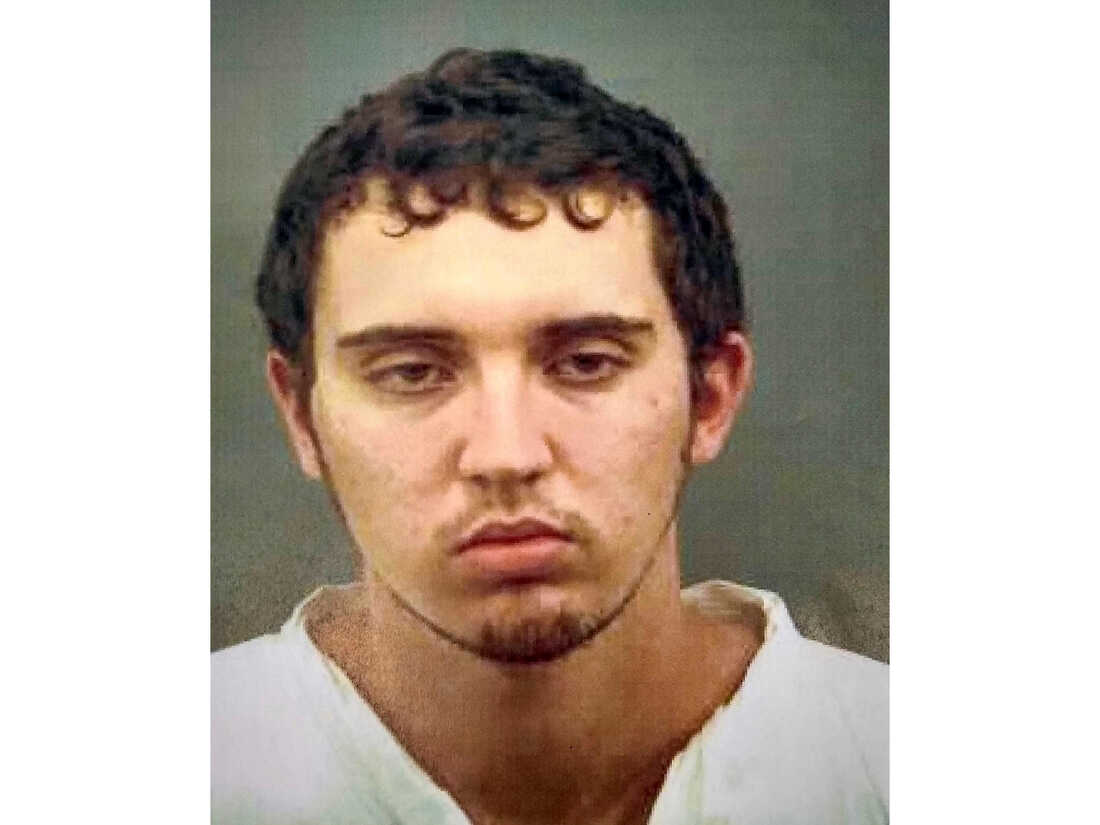
Michael McDermott and the 2000 Wakefield Massacre
Overview
Michael Morgan McDermott was responsible for a workplace mass murder at Edgewater Technology in Wakefield, Massachusetts, on December 26, 2000. Armed with several firearms, the 42-year-old computer support employee entered the company’s offices shortly after Christmas and deliberately killed seven coworkers. The victims included employees working in human resources, payroll, administration, consulting, marketing and technical support.
The attack occurred at Edgewater Technology’s offices at 200 Harvard Mill Square, approximately 12 miles north of Boston. McDermott did not fire randomly throughout the building. Evidence presented during his trial indicated that he moved through specific office areas and targeted people connected to the company’s management, payroll and human-resources operations. No one was physically wounded and left alive; all seven people he shot were killed.
Michael McDermott’s Background
Michael Morgan McDermott was born on September 4, 1958, in Plymouth, Massachusetts. He was originally named Michael McDermod Martinez and grew up in Marshfield. After graduating from Marshfield High School in 1976, he enlisted in the United States Navy. He served for approximately six years as an electrician’s mate, including service aboard the nuclear-powered submarine USS Narwhal, and received an honorable discharge.
McDermott later worked at the Maine Yankee Nuclear Power Plant and for the battery manufacturer Duracell. During 2000, after leaving Duracell, he accepted a computer-related position at Edgewater Technology. Coworkers generally described him as technically capable but socially withdrawn. He was known for wearing dark clothing and was sometimes called “Mucko” by people in the workplace.
By the end of 2000, McDermott was experiencing serious personal and financial difficulties. He had fallen behind on rent, owed federal back taxes and was facing an Internal Revenue Service collection action. Edgewater Technology had begun withholding money from his wages in response to an IRS levy. Prosecutors later argued that his anger over this wage garnishment was the central motive for the murders.
Events Leading to the Shooting
Edgewater Technology’s payroll and human-resources employees were responsible for processing the government-ordered deductions from McDermott’s pay. The company reportedly withheld hundreds of dollars from at least one of his paychecks shortly before the attack. Investigators believed McDermott blamed particular employees for the deductions, even though they were complying with a federal order rather than making a personal decision to take his money.
In the period before the shooting, McDermott obtained and prepared several weapons. He possessed a semiautomatic rifle patterned after an AK-47, a 12-gauge Winchester shotgun and a .32-caliber semiautomatic pistol. He carried the firearms and a large supply of ammunition into the Edgewater Technology building on the morning of December 26, 2000.
The December 26, 2000 Attack
The day after Christmas was a regular workday for the employees who reported to Edgewater Technology. At approximately 11:00 a.m., McDermott entered the company’s second-floor offices carrying his weapons. He first approached the reception and administrative area, where office manager Janice Hagerty was working.
McDermott opened fire and then moved through the office suite. He entered or approached several work areas occupied by employees in accounting, human resources, marketing and technical positions. Witnesses heard numerous gunshots as workers attempted to hide, flee or determine what was happening.
The evidence showed that McDermott used more than one firearm during the attack. He fired dozens of rounds from the rifle, shotgun and handgun. Several victims were shot repeatedly. The concentration of victims in the payroll and human-resources departments supported the prosecution’s argument that McDermott was deliberately seeking employees he associated with the withholding of his wages.
Other employees escaped or concealed themselves in offices and conference rooms. Some called emergency services while the shooting was still in progress. Wakefield police officers arrived within minutes and entered the building while uncertainty remained about the gunman’s location and the possibility of additional victims.
Victims
- Jennifer Bragg Capobianco, 29 — Killed on December 26, 2000, inside Edgewater Technology at 200 Harvard Mill Square in Wakefield, Massachusetts. Capobianco worked in marketing and was remembered as an energetic young professional devoted to her family and career.
- Janice Hagerty, 46 — Killed on December 26, 2000, at the Edgewater Technology offices in Wakefield. Hagerty was the company’s office manager and was among the first employees confronted during the attack.
- Louis A. Javelle, 58 — Killed on December 26, 2000, inside the Wakefield office building. Javelle was Edgewater Technology’s director of consulting and was one of the company’s senior employees.
- Rose Manfredi, 48 — Killed on December 26, 2000, in the payroll and accounting area of Edgewater Technology. Manfredi worked with company payroll and was involved in carrying out the legally required withholding from McDermott’s wages.
- Paul Marceau, 36 — Killed on December 26, 2000, at Edgewater Technology in Wakefield. Marceau was a development technician and was remembered by relatives and colleagues as a hardworking husband and father.
- Cheryl Troy, 50 — Killed on December 26, 2000, inside the company’s offices. Troy served as Edgewater Technology’s human-resources director and had dealt with issues involving McDermott’s employment and wage deductions.
- Craig Wood, 29 — Killed on December 26, 2000, at the Wakefield workplace. Wood worked in human resources and was engaged to be married at the time of his death.
Arrest at the Scene
Police officers found McDermott inside the building shortly after the shooting. He was seated calmly near the reception or lobby area with his weapons nearby. Officers ordered him to surrender, and he was taken into custody without a prolonged confrontation. Investigators recovered the semiautomatic rifle, shotgun, pistol, ammunition and other equipment associated with the attack.
Authorities also discovered another powerful rifle in McDermott’s workplace storage area. The weapons and ammunition demonstrated that the shooting had been prepared in advance rather than committed during a sudden argument. McDermott was immediately held and charged with seven counts of murder.
Investigation and Motive
The Middlesex County District Attorney’s Office investigated McDermott’s financial records, employment history, computer activity and conduct before the killings. Investigators learned that he owed the Internal Revenue Service approximately $5,000 in back taxes. Edgewater Technology had received an order requiring it to garnish his pay, and the deductions had significantly reduced a paycheck issued shortly before the massacre.
Prosecutors maintained that McDermott regarded payroll and human-resources employees as personally responsible for his financial problems. His selection of victims was presented as evidence of retaliation. Rose Manfredi, Cheryl Troy and Craig Wood worked in departments directly associated with payroll or personnel matters, while the other victims were encountered as McDermott moved through the office.
Investigators also examined McDermott’s mental condition. Evidence indicated that before the murders he had researched psychiatric disorders and methods of appearing mentally ill. Prosecutors used that material to argue that the bizarre explanation he later offered was fabricated as part of an attempt to avoid criminal responsibility.
The Insanity Defense
McDermott did not deny that he had killed the seven employees. His defense instead argued that he was legally insane at the time of the shooting. During his 2002 trial, McDermott gave an extraordinary account in which he claimed that he believed he had been sent on a divine mission involving time travel.
He testified that he believed he had been born without a soul and that God had offered him an opportunity to obtain one by traveling backward through time and killing Adolf Hitler and other Nazis. According to McDermott’s testimony, the people he shot were not actually his coworkers but German soldiers or Nazi officials whom he was required to kill.
Mental-health experts disagreed about whether McDermott genuinely suffered from psychosis. Defense experts described him as delusional and unable to appreciate the criminal nature of his conduct. Prosecution experts and investigators pointed to his advance preparation, selection of weapons, research into mental illness and apparent targeting of employees connected to his wage garnishment.
The prosecution argued that McDermott’s actions showed planning and awareness. He transported several loaded weapons to work, carried substantial ammunition, selected particular office areas and surrendered when confronted by armed police. Prosecutors contended that these actions were inconsistent with his claim that he believed he was fighting in Nazi Germany.
Trial and Conviction
McDermott’s murder trial began in 2002 in Middlesex Superior Court. Jurors heard testimony from surviving employees, police officers, forensic specialists, financial investigators and mental-health experts. The prosecution reconstructed his movement through the Edgewater Technology offices and connected the attack to the IRS wage levy.
After approximately three days of deliberations, the jury rejected McDermott’s insanity defense. On April 24, 2002, he was convicted of seven counts of first-degree murder. The verdict established that the jury believed he was criminally responsible for his actions and had committed the killings with deliberate premeditation.
McDermott received seven consecutive life sentences without the possibility of parole. Massachusetts did not have an enforceable death penalty, making life imprisonment without parole the most severe sentence available. The consecutive sentences represented one life term for each person murdered.
Appeals
McDermott appealed his convictions to the Massachusetts Supreme Judicial Court. His attorneys raised several issues involving evidence, jury instructions and statements made during the trial. They argued that certain testimony may have unfairly influenced jurors and that the trial court had mishandled aspects of the insanity defense.
On April 13, 2007, the Massachusetts Supreme Judicial Court upheld the convictions. The court concluded that the evidence against McDermott was overwhelming and that the challenged trial issues did not justify overturning the verdicts. His seven first-degree murder convictions and life sentences remained in effect.
Impact on Wakefield and Edgewater Technology
The killings became widely known as the Wakefield massacre or the Edgewater Technology shooting. At the time, it was one of the deadliest workplace shootings in United States history. It remains the deadliest mass shooting committed in Massachusetts.
The murders devastated the victims’ families, surviving employees and the Wakefield community. Edgewater Technology closed its offices temporarily, and counselors were brought in to help employees cope with the loss of seven colleagues. Funerals and memorial services were held throughout the following days as relatives described the victims as parents, spouses, children, friends and valued members of their communities.
A memorial cherry tree was later planted near the former Edgewater Technology offices. Carnations have been placed or woven among its branches during commemorations of the December 26 anniversary. The memorial honors Jennifer Bragg Capobianco, Janice Hagerty, Louis Javelle, Rose Manfredi, Paul Marceau, Cheryl Troy and Craig Wood.
Legacy
The Wakefield massacre became an important case in discussions of workplace violence, employee financial stress, emergency planning and the use of insanity defenses in mass-murder trials. The attack demonstrated how a personal grievance could develop into a carefully planned act of violence directed at coworkers who had little or no control over the underlying problem.
Although McDermott attempted to explain the murders through claims of delusion and divine instruction, the jury concluded that the attack was intentional, calculated and motivated by resentment. His preparation, choice of victims and behavior before and after the shooting convinced jurors that he understood what he was doing.
Michael McDermott remains defined by the deliberate murders of seven coworkers on December 26, 2000. The lasting focus of the case, however, remains on the seven people whose lives were taken and on the families and colleagues who continued to mourn them long after the offices at Harvard Mill Square reopened.