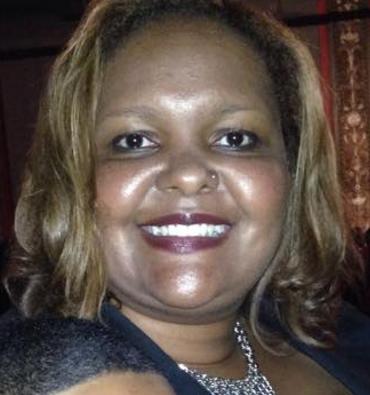
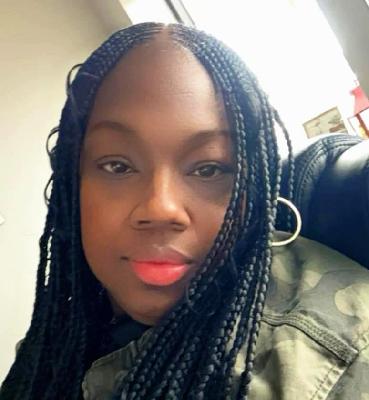
Kennette Dabney-O’Neal, 31, a Black/African American woman from Gary, Indiana, was killed in the early hours of Thanksgiving morning, November 27, 2014, after violence erupted during what police described as a domestic argument. In community notices and family remembrances published days later, she was remembered as someone rooted in Gary—raised there, educated in local schools, and working in the years before her death to rebuild and rehab homes, trying to turn hard work into something lasting.
Before dawn, officers were drawn into the 1000 block of Matthews Street as the argument escalated. Investigators said a man pulled out a gun and opened fire, and in the chaos two women ran from the house, trying to escape the shots. When police arrived, Kennette was found down in an alley and had been struck multiple times. The Lake County coroner’s office identified the victim as “Kennette Oneal” of the same block, and she was pronounced dead at 5:20 a.m.
The shooting did not end with her. A second woman was also hit and was located by police in the backyard before being transported to Methodist Hospitals’ Northlake campus in Gary. In the first hours after the gunfire, police described the suspected shooter as fleeing the scene in a gray 2006 Chevrolet Trailblazer, and they treated the case as a homicide from the outset.
By the next day, Gary police confirmed a suspect had been taken into custody. Authorities said he faced a murder charge for Kennette’s death and an attempted murder charge connected to the second victim. Early reports characterized the suspect as Kennette’s boyfriend, but police did not publicly release his name in those initial updates, and the brief public accounts available from that period did not provide further identifying details or a later court outcome.
In the days that followed, as investigators worked the case, the public record shifted from the urgent language of a manhunt to the quieter rituals of grief. Her obituary and service listing placed her back among family, friends, and the places that had shaped her—an attempt to gather what could be gathered after a life was cut short.