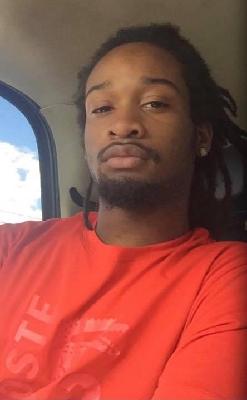
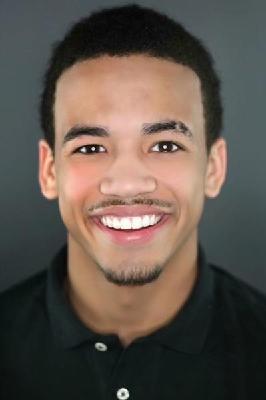
In the late hours of a summer night in Speedway, Indiana, the life of 19-year-old Fairely Griffie was tragically cut short. On June 4, 2017, Griffie, a male, was fatally shot in the parking lot of an apartment complex. The events that led to his death began at a birthday party, which Griffie attended with three friends.
At the party, an encounter took place between Griffie and another man, later identified as Jordan Taber.
Witnesses reported seeing some tension between the two, though they were seen shaking hands at one point. After about an hour, Griffie and his friends decided to leave the gathering. As they were getting into their vehicle, Griffie did not immediately get in and instead walked away from the car. Moments later, multiple gunshots rang out.
Griffie was found on the ground with several gunshot wounds to his chest. His friends attempted to get him into their vehicle to seek help, but their efforts were tragically interrupted when Taber reportedly emerged and began firing at their car. First responders arrived at the scene to find Griffie struggling to breathe; he succumbed to his injuries at the scene.
An investigation by the Indianapolis Metropolitan Police Department quickly pointed to 20-year-old Jordan Taber as the primary suspect. A witness identified Taber as the shooter and also claimed to have seen Taber take a gun that was lying on the ground next to Griffie after he had been shot.
On December 24, 2017, after a months-long search, Jordan Taber was located and arrested in Illinois by the U.S. Marshals. He was extradited back to Indianapolis to face charges of murder and possession of a firearm by a serious violent felon.
In March 2019, Jordan Taber stood trial for the murder of Fairely Griffie. After a three-day trial, a jury found Taber guilty of murder. Subsequently, the state moved to dismiss the firearm possession charge. On March 27, 2019, Jordan Taber was sentenced to sixty years in the Department of Correction for the murder of Fairely Griffie. Taber later appealed his conviction, arguing that a statement he made to police was improperly admitted as evidence, but the appellate court affirmed the trial court's decision.