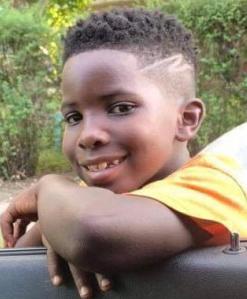
Tre’Von Damillion Barnett, a 9-year-old Black boy, was found mortally wounded just after midnight on August 16, 2020, inside a home in the 1100 block of Rose Street in South Bend, Indiana. Police were dispatched around 12:26 a.m. for what was initially described as an unknown emergency; when officers arrived, they discovered Tre’Von suffering from an apparent gunshot wound. Medics tried life-saving measures, but he was pronounced dead at the scene, and the St.
Joseph County Metro Homicide Unit took over the investigation.
In the first hours after the shooting, the neighborhood was shaken awake by flashing lights and the frantic rush of responders. Investigators indicated early on that the gun had discharged while juveniles were playing, and officials said no adults were believed to be directly involved in the shooting itself. Friends and neighbors described the chaos and grief that followed, including the anguished cries of a child in the home, and the uneasy question that hung over the block: how a loaded firearm ended up in the hands of kids.
As detectives worked the case, attention later turned to an adult connected to the firearm rather than a traditional “shooter” identified as a homicide suspect. Court documents cited in reporting said a child present told police that Demetrious Barnett regularly brought guns to the house, and that he had been showing the kids a gun the day before Tre’Von was killed. That account helped frame the case around access and possession—how the weapon arrived, who controlled it, and why it was available in a home full of children.
An arrest did follow, but it centered on a federal gun charge. Demetrious Barnett, described in reporting as a Niles man, ultimately pleaded guilty in federal court to being a felon in possession of a firearm, and a judge sentenced him to 46 months in prison followed by a year of supervised release in connection with the events surrounding Tre’Von’s death. The reporting emphasized that Tre’Von had been playing with the gun with other children when it went off, and that the federal case addressed unlawful possession rather than charging an adult with intentionally shooting him.
In the days after the shooting, Tre’Von’s family prepared to say goodbye with a public visitation and a celebration of life in South Bend. In memorial materials shared by his loved ones, he was remembered as a bright, energetic child who attended Muessel Elementary, loved riding his bike, jumping on a trampoline, making TikTok videos, and spending time at the beach with his family—ordinary joys that made the sudden loss feel even more unreal to those who knew him.