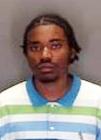
In the winter of 1992, a violent chapter in Richmond, Virginia's history unfolded with the brutal death of 36-year-old Douglas Moody. On the evening of January 13th, Moody became a target in a bloody drug war that was plaguing the city. His life was cut short not by a single act of violence, but by a coordinated and merciless attack that began in his own apartment. That night, two men, identified as members of a local drug-trafficking ring, confronted Moody, who they considered a rival.
The encounter quickly escalated, and Moody was shot twice in the back as he desperately tried to escape the unfolding nightmare.
His bid for survival was frantic and short-lived. In a desperate attempt to flee his assailants, Moody leaped through a window of his apartment, only to be pursued into the front yard. There, the grim chase came to a violent end. One of the attackers, armed with a military-style knife, caught up to him. The ensuing struggle was one-sided and savage, with Moody being stabbed eighteen times. The ferocity of the attack left no chance for survival, and he succumbed to his injuries there in the yard, his life taken in a brutal display of territorial dominance. The cold and calculated nature of the murder spoke to the ruthlessness of the drug trade that had gripped the city.
The investigation that followed would unravel a larger criminal enterprise responsible for a string of murders in the Richmond area. Law enforcement officials were able to connect the dots between Moody's death and a series of other drug-related homicides, all linked to the same violent narcotics operation. The two men directly responsible for Moody's death, along with their accomplice who was also implicated in other killings, were eventually brought to justice. Their trials brought to light the extent of their criminal activities and the reign of terror they had imposed on their rivals. The man who wielded the knife that ended Douglas Moody's life was ultimately convicted for his role in the murder and received a death sentence for this and other crimes, marking a significant victory for law enforcement in their fight against the city's drug-fueled violence.