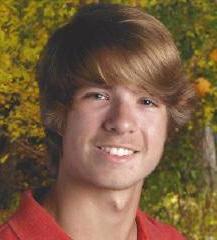
In the dark, early hours of October 17, 2010, Dimitri B. McNeil, a 24-year-old male from Chesapeake, Virginia, was at a party on Scotia Drive when the night shattered into gunfire. Police were called around 3:45 a.m. to the 4000 block of Scotia Dr., where the scene had turned frantic—people running, others screaming for help, and the quiet of the neighborhood broken by the aftermath of shots fired. By the time officers arrived, McNeil was one of two men fatally wounded.
The violence did not end with him. Another man, Leo Askew, was also killed, and three other people were injured in the same burst of gunfire, leaving survivors carrying wounds and memories from a party that was supposed to be ordinary. In the days and years that followed, the details that mattered most—who pulled the trigger, and why—remained out of reach, even as the community returned again and again to the same unanswered questions.
As time passed, the case hardened into something colder. Chesapeake Police later listed McNeil’s killing among the city’s unsolved homicides, recording the location as 4004 Scotia Drive and the cause of death as a gunshot wound—simple lines of text that hinted at a much larger story still missing its ending. Tips were still encouraged through the Chesapeake Crime Line, a reminder that investigators believed someone out there had seen something, heard something, or knew the name that could finally bring the case into focus.
Public updates about arrests or prosecutions never followed. Reports marking the case in later years continued to describe the shooter as not caught, and while later references indicated authorities had, at some point, sought a “person of interest,” no suspect was publicly identified in the available materials and no charges or convictions were documented in the sources reviewed. The story of that night on Scotia Drive has lingered instead as an open wound—two lives ended, others forever changed, and a city still waiting for the moment when a single solid lead finally holds.