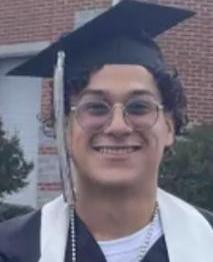
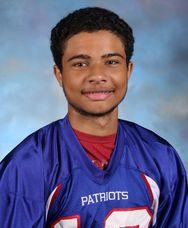
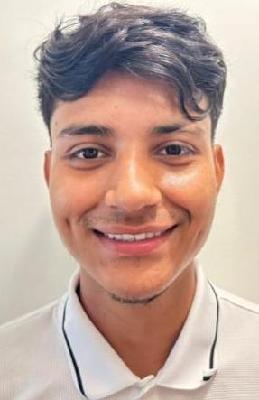
In the early morning hours of September 4, 2015, a 17-year-old Hispanic male named Danny Centeno-Miranda left his home in Sterling, Virginia, to walk to his school bus stop. It was a journey he had made many times since arriving from his native El Salvador in 2013, seeking refuge from the violence and poverty that plagued his home country. Tragically, on this day, he would not make it to Park View High School.
As he neared the bus stop, multiple gunshots rang out, and Danny fell to the ground, struck at least twice. He was rushed to a local hospital, where he succumbed to his injuries.
The investigation into the death of the quiet and studious teenager, who worked evenings and weekends at a local restaurant, quickly pointed towards a gang-related motive. Authorities revealed that the shooting was not a random act of violence. Within days, three suspects were in custody. The alleged shooter was identified as 17-year-old Jose Miguel Espinosa De Dios, who was believed to be a member of the notorious MS-13 gang. He was charged with second-degree murder and the use of a firearm in the commission of a felony. Two other men, 20-year-old Henry Dominguez-Vasquez and 18-year-old Juan Aguirre-Zelaya, were also arrested and charged with accessory after the fact and possession of a firearm by a person who is not a citizen of the United States.
During a preliminary hearing, investigators testified that Espinosa De Dios, known by the street name "the Enforcer of Sterling," had carried out the murder on orders from MS-13 leaders in El Salvador. The motive stemmed from a belief within the gang that Danny, who had reportedly been an MS-13 member in his home country, had disrespected the gang by associating with the rival 18th Street Gang after moving to Virginia. Danny's family, however, maintained that he was not involved in gangs and had fled El Salvador to escape that very lifestyle, having received death threats for crossing gang territories while working. After the shooting, Espinosa De Dios allegedly went to the home of Dominguez-Vasquez and Aguirre-Zelaya, where he admitted to the crime and they helped him hide the murder weapon.
The case against the three suspects proceeded through the legal system. The Commonwealth's Attorney announced intentions to try the juvenile shooter, Jose Miguel Espinosa De Dios, as an adult. Henry Dominguez-Vasquez and Juan Aguirre-Zelaya faced their own charges related to their alleged assistance after the murder. The community was left to grapple with the violent death of a young man who had traveled so far in search of a safer life, only to have it cut short just a short distance from his school.