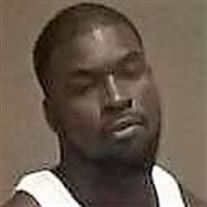
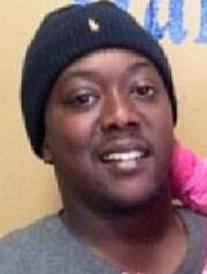
In the cold of a January morning in 2017, the body of 30-year-old Kirshem Sanders was discovered in an alleyway in Portsmouth, Virginia. A resident who saw the man lying unresponsive between Maryland Avenue and Chautauqua Avenue immediately called for help. Responding officers found that Sanders, a resident of Virginia Beach, had been shot multiple times in his upper body.
His shoes were found placed a short distance from his body.
The investigation into his death uncovered a story that began not in the Portsmouth alley, but inside a Virginia Beach apartment. Sanders had gone to the apartment of 23-year-old Mekera Washington for a drug transaction involving cocaine. Also present were Washington's boyfriend, Rashadee Jones, who was 24, and another man, 25-year-old Jordan Copeland. An argument erupted, leading to Sanders being shot five times.
Following the shooting, a grim effort to conceal the crime began. Washington, Jones, and Copeland decided to move Sanders' body. They sought advice from Jones's stepfather in Portsmouth before returning to the Virginia Beach apartment. There, they cleaned the scene, wrapped Sanders' body in a sheet, and placed him in Washington's car. They then drove to a field in Portsmouth where they left his body, only for it to be discovered later.
The investigation led police to Washington, Jones, and Copeland. Initially, Washington implicated Copeland as the shooter, but she later changed her statement, pointing the finger at Jones. This led to the murder charge against Copeland being dropped. Ultimately, no one was convicted of murdering Kirshem Sanders. Instead, all three faced charges of being accessories to homicide. Jordan Copeland and Rashadee Jones both pleaded guilty to accessory to murder. Jones was sentenced to four years in prison, while Copeland received a one-year sentence. Mekera Washington also pleaded guilty to accessory to homicide and was sentenced to five years in prison with three years suspended. Prosecutors acknowledged that while they believed they knew who pulled the trigger, they lacked the evidence to prove it in court.