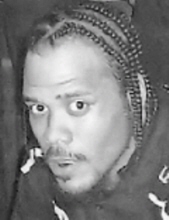
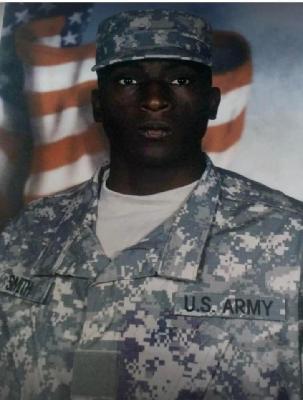
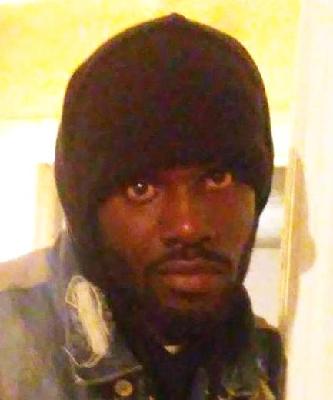
In the summer of 2020, the life of 19-year-old Zacki Rozier was cut short in a burst of violence on a street in Richmond, Virginia. On the evening of August 20th, Rozier was fatally shot on Coalter Street in what law enforcement officials believe was a retaliatory act connected to an ongoing and escalating gang turf war that had been plaguing the city and neighboring Henrico County.
His death was not an isolated incident but rather a tragic chapter in a cycle of vengeance that had gripped the community.
The prelude to Rozier's death had been written just a day earlier with the murder of another teenager in the Gilpin Court area. Investigators suspect that Rozier's killing was a direct response to this prior homicide, a grim illustration of the swift and brutal nature of street justice. The relentless back-and-forth of retaliatory violence created an atmosphere of fear and uncertainty, where one act of aggression was invariably met with another, perpetuating a deadly cycle that seemed to have no end.
In the wake of Zacki Rozier's death, the specter of gang violence continued to loom large. Even a gathering to mourn his passing was marred by further conflict. A repast held in Rozier's honor was disrupted by another shooting, underscoring the deep-seated animosity and the constant threat of bloodshed that defined this period of unrest in Richmond.
Despite the clear connections drawn by authorities between Rozier's death and the broader gang conflict, the investigation into his murder has been met with significant challenges. To date, there have been no public announcements regarding any arrests made or suspects identified in connection with the shooting. The case officially remains open and unsolved, leaving a family to grieve and a community to wonder if justice for Zacki Rozier will ever be served. The silence surrounding any progress in the investigation is a stark reminder of the difficulties law enforcement faces in penetrating the wall of silence that often surrounds gang-related homicides.