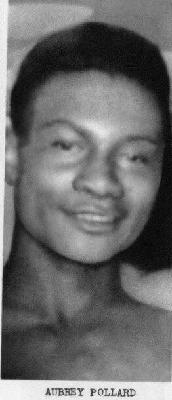
In the midst of the tumultuous 1967 Detroit riot, a 19-year-old Black man named Aubrey Pollard lost his life in an event that would come to be known as the Algiers Motel incident. On the night of July 26, 1967, Pollard, along with a group of other young Black men and two white women, were at the Algiers Motel when law enforcement, responding to a report of sniper fire, stormed the building. What ensued was a harrowing ordeal of interrogation and violence at the hands of Detroit police officers, Michigan State Police, and National Guardsmen.
Pollard, along with two other teenagers, Carl Cooper, 17, and Fred Temple, 18, were shot and killed by police. Survivors of the incident described being subjected to brutal beatings and mock executions as the officers sought to find a non-existent sniper. Despite the terror of the night, no weapons were ever found at the motel. The day before his death, Pollard's mother had warned him not to return to the motel after he had been involved in a confrontation with police there and came home with bruises.
In the aftermath of the killings, three white Detroit police officers, Ronald August, Robert Paille, and David Senak, were implicated in the deaths. August, who later admitted to shooting Pollard, was charged with murder but claimed he acted in self-defense, alleging that Pollard had tried to grab his gun. Paille was also charged in the death of Fred Temple.
The legal proceedings that followed were fraught with controversy. A judge dismissed the murder charge against Paille, ruling his confession inadmissible. In 1969, an all-white jury acquitted Ronald August of the murder of Aubrey Pollard, accepting his claim of self-defense. No one was ever convicted in connection with the deaths of the three young men at the Algiers Motel. The incident left a lasting scar on the city of Detroit and became a symbol of the racial injustice and police brutality that fueled the 1967 riot.