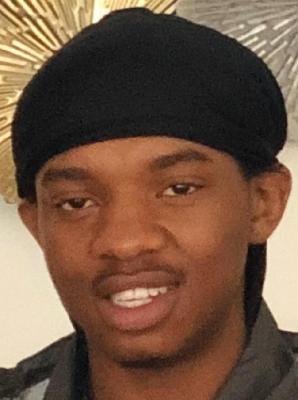
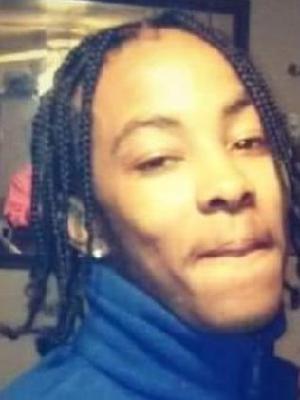
In the summer of 2015, the life of 20-year-old Keandre Duff of Ypsilanti, Michigan, was cut short in a burst of violence that underscored simmering tensions within the community. On July 12, while attending a lively block party with over 100 people at the intersection of Brooks and Watling streets, Duff was fatally shot in the back of the head shortly after midnight. Despite immediate medical attention and being rushed to a nearby hospital, he succumbed to his injuries. At the time of his death, Duff was on probation for drug-related charges.
The investigation into the young man's death quickly pointed towards a retaliatory act rooted in gang conflict. Authorities believed the shooting was connected to the death of 17-year-old Keon Washington the previous summer. Duff himself had been charged in connection with Washington's killing, but the charges were ultimately dropped due to a lack of sufficient evidence. The shooting of Duff appeared to be a grim continuation of a violent cycle, with law enforcement linking it to an ongoing feud between two rival gangs, identified as BOH and Rakk Life. In the days that followed Duff's death, the community was further shaken by a series of other shootings believed to be part of this escalating conflict.
In the immediate aftermath of the shooting, despite the large number of potential witnesses at the block party, investigators were met with a wall of silence, and no description of the shooter was immediately available. However, the investigation did lead to the arrest of two teenagers, a 17-year-old and a 15-year-old, in connection with the crime. The break in the case would ultimately lead to the conviction of Tariq Jackson for Duff's murder. Jackson was 16 years old at the time of the shooting.
During his sentencing in March 2017, an 18-year-old Jackson took responsibility for his actions, attributing his choices to being young, angry, and caught up in the destructive lifestyle of street gangs. In a statement to the court, he expressed remorse to Duff's family, acknowledging the lose-lose situation his actions had created for both his and the victim's families. Jackson also spoke of the unsolved murder of Keon Washington, highlighting the persistent lack of justice for his family and how the cycle of violence could have easily placed his own mother in the same grieving position. His sentencing brought a legal conclusion to the case, though the community continued to grapple with the deep-seated issues of gang violence that led to the tragic deaths of two young men.