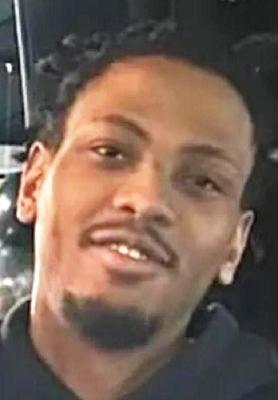
John “Chip” Smith, a Black man in his mid-60s, spent part of the afternoon of March 11, 2016 sitting on a front porch on Detroit’s west side, in the 2600 block of Hazelwood Street between Linwood and Chicago Boulevard. It was still daylight, a time when neighbors were outside and children were nearby, and the scene on the porch was ordinary and familiar: four people gathered in front of a modest home, talking and watching the street as the day edged toward evening.
Shortly before 4 p.m., that routine moment was shattered. A black Dodge Journey minivan rolled down Hazelwood, and as it drew near the house, two gunmen leaned out from the vehicle and opened fire on the porch. According to police, one person was behind the wheel while the other two concentrated on the barrage of gunfire, turning the quiet block into a warlike scene in seconds. Assistant Police Chief Steve Dolunt later described the attack as “sickening,” condemning the shooters for hiding behind the moving vehicle rather than confronting their targets face to face, and emphasizing that this was not considered a bad neighborhood but a place where families should have been safe in broad daylight.
The bullets tore into the front of the home and into the people on the porch. Smith was struck and collapsed where he sat; first responders could do nothing for him, and he was pronounced dead at the scene. Another man on the porch, 43-year-old Jamil Omar Goodwin, was also hit and rushed to the hospital, where he later died from his injuries. Reports noted that Goodwin was a father of seven children, a detail that underscored the scale of the loss rippling outward from that porch on Hazelwood. The remaining two victims were wounded but survived, taken away by medics while neighbors watched the flashing lights and crime scene tape close off a block they had walked for years.
In the chaotic hours that followed, detectives canvassed the area for shell casings, security cameras, and witnesses who might have caught a better look at the minivan or the faces of the shooters. Police said they did not believe the drive-by was random; early statements suggested that the shooting might have been an act of retribution, with one person on the porch believed to be the intended target while the others were caught in the spray of bullets. Investigators publicly described the suspects only as two gunmen in a black Dodge Journey with a third person driving, and asked the community for help in tracking down the vehicle and those inside it.
As days turned into years, however, no follow-up reports emerged announcing that anyone had been taken into custody for the Hazelwood Street shooting. The case remains publicly characterized by that brief, horrifying burst of violence: a minivan gliding past a west-side porch, the crack of gunfire, two men dead, two more injured, and three assailants who sped away into Detroit’s streets. In the absence of news of arrests, charges, or trials, Smith’s killing stands as one more unresolved wound in the city’s history of gun violence, remembered in brief news stories and memorial pages but without a clear answer to the question of who was responsible for taking his life on that March afternoon.