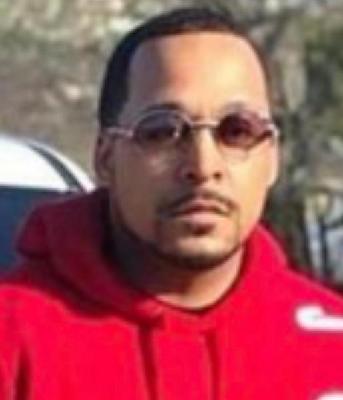
Gary Williams, a 38-year-old Black man, was killed in Detroit, Michigan, in the early hours of March 31, 2018, after a night that was supposed to be ordinary—one more stop, one more conversation, one more ride home. He was on the city’s southwest side near Michigan Avenue and Lawndale Street, in the stretch of Michigan Avenue between Lonyo and Wyoming, when the moment turned sudden and final.
According to investigators’ accounts shared publicly afterward, Williams had been drawn out by a call inviting him to a birthday gathering for a mutual friend. He left around 2 a.m., climbed into his vehicle, and in that narrow window between leaving and getting safely away, a black SUV pulled up and gunfire erupted. Shots tore into the van, striking him as he sat inside, and the vehicle that delivered the gunfire sped off into the dark.
In the wake of the shooting, the details that surfaced painted a scene that felt less like a chance encounter and more like someone knew exactly where to find him. His family said he had been visiting home from Arizona, where he’d been living for several years, and they struggled to make sense of why he’d become a target back on familiar streets. They spoke of him by the names people called him in life—Big Ral, Big Reel—and described him as devoted to his children and rooted in the world he’d built for himself.
Public reporting indicated that surveillance video captured the attack, and his relatives pointed to what they believed it showed: a coordinated movement of vehicles, a U-turn timed just right, and a shooter positioned in a way that didn’t feel accidental. They said they did not believe the killing was random, insisting it looked like a setup, the kind that starts with a simple invitation and ends with someone waiting where they shouldn’t be.
Despite the urgency of the family’s pleas and the passage of time, authorities had not announced any arrests in connection with Williams’ death in the reporting that followed—from the initial coverage in 2018 to later updates. A reward of up to $2,500 was publicly offered for information leading to an arrest, and years after the shooting, his loved ones were still asking the same questions, still hoping someone would finally say what they knew.