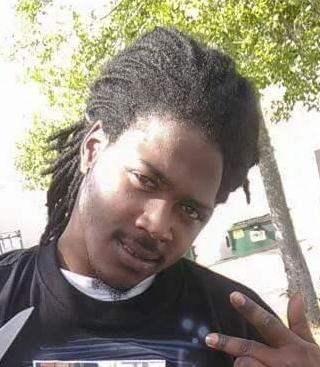
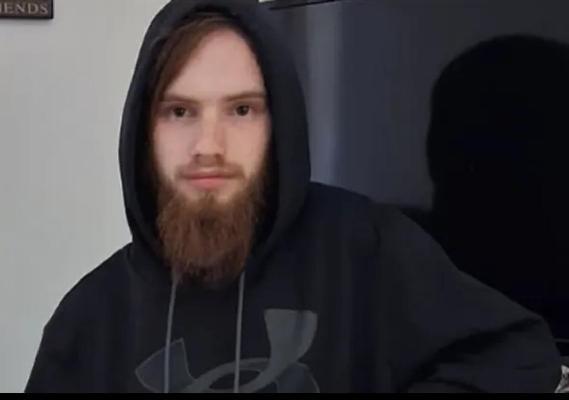
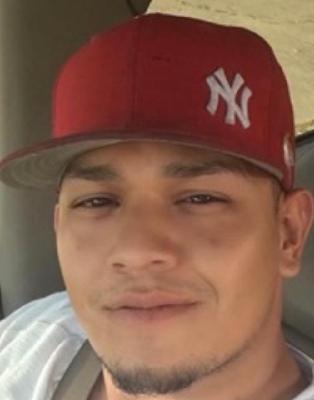
On a cold Friday night in early January 2014, Justin Curry, a 19-year-old Black man from Laurel, Mississippi, headed to a house on Woodlawn Drive in south Laurel to spend time with friends. He and 31-year-old Bennie Owens were guests at the home, moving in and out with the easy familiarity of people who knew the neighborhood and each other. Late in the evening, just after 11 p.m., the visit drew to a close. The two men stepped toward the front door, ready to leave, unaware that someone outside was waiting with a gun. As they walked out, shots erupted in the dark. Both were struck multiple times before they could make it to safety. Neighbors heard gunfire tearing through the quiet street; by the time police and medics arrived, Justin lay mortally wounded at the entrance to the house, pronounced dead at the scene, while Bennie was rushed to a local hospital, where he died in surgery not long after. Investigators would later describe it as a targeted attack at the threshold of the home, an ordinary night transformed into a double homicide in seconds.
In the days that followed, the bare facts of Justin’s life began to surface in public records and memorial pages. Born in September 1994, he had grown up in Laurel and attended Laurel High School, where he appeared on the Golden Tornadoes football roster as a defensive back, one of many teenagers chasing Friday-night dreams on the field. Friends posting on a national gun-violence memorial site remembered him as funny, smart, and caring, someone who could be silly and lighthearted even when life wasn’t easy. They wrote about missing him like a brother and spoke of the love they still felt after his death. On that same page, relatives noted that he had ties to the Army and that he already had children of his own, underscoring how much responsibility and promise his short life carried. After the shooting, his body was laid to rest at Oak Hill Cemetery #2 in Laurel, a local burial ground where families from the area return generation after generation.
For a brief span of time, the crime itself seemed as stark and simple as the first Associated Press write-ups that appeared in Mississippi outlets: two men visiting friends, leaving a house on Woodlawn Drive near 11 p.m., both shot repeatedly on the way out; one dying on the porch, the other at the hospital. At first, Laurel police reported that no arrests had been made. The early coverage emphasized the puzzling violence and the fact that, from the public’s vantage point, there were no named suspects and no clear motive. Residents reading the news saw just a quiet south-Laurel street, a gathering of friends, and the sudden intrusion of gunfire.
Behind the scenes, detectives worked quickly, and within a week the case shifted dramatically. A local television station reported that four people were taken into custody at the Laurel Police Department in connection with the killings. The story explained that two men and two women, all young adults from the area, had been rounded up after nearly a week of investigation into the ambush at the Woodlawn Drive home. Publicly, the police chief spoke in frustrated, blunt terms about the younger generation and the path that led some of them to violent crime, vowing that if families could not rein them in, law enforcement would. The mayor, standing alongside investigators, called it a heartbreaking way to begin the new year and praised the officers for moving swiftly to bring suspects in.
Details released that night drew a clearer picture of who authorities believed was involved. The two women arrested—Brittany Waters, then 20, and 18-year-old Sylvashia McDonald—were charged with hindering prosecution, accused of helping to conceal or obstruct the investigation rather than pulling the trigger themselves. The two men, 23-year-old Maurice Jones and 22-year-old Gregory Jerome Nix, were booked on two counts of murder and one count of aggravated assault, charges that reflected the deaths of Justin Curry and Bennie Owens and injuries to at least one other person at the scene. Gun-violence data compiled from media and police sources later listed these four by name as subjects or suspects in the January 3 incident, matching them to the same Woodlawn Drive shooting that claimed Justin’s life. For the families, the arrests seemed to offer the first real possibility that someone would be held accountable.
But the case did not follow the straightforward arc those early headlines implied. A later news link cited on Justin’s memorial page referred to a story titled “Grand Jury returns ‘no true bills’ for Laurel murder suspects,” indicating that when the case was presented to a grand jury, the panel declined to hand up indictments on the murder charges tied to the Woodlawn Drive shooting. In Mississippi and elsewhere, a “no true bill” means the grand jury did not find sufficient evidence to proceed to trial, and the charges as presented effectively die there. While the full text of that article is no longer easily accessible, its existence—listed alongside the original arrest story—suggests that, despite the initial fanfare around the four suspects, prosecutors were ultimately unable to secure indictments that would carry the case into open court. Publicly available records and summaries do not show subsequent convictions for Justin Curry’s killing; instead, the narrative fades out with suspects once jailed now described as former murder suspects in later, unrelated booking reports.
What remains, more than a decade later, is a story with sharply drawn edges and a hollow center. It begins with a young father from Laurel walking out of a friend’s front door and ends with candles lit in his memory on a gun-violence website, an entry in a cemetery registry, and a few surviving news clips about arrests that did not lead to trial. The official record captures the violence in numbers and names—two men killed, four suspects, multiple charges—but not the unanswered questions that linger for those who knew Justin: who actually stood outside that house with a gun, why the attack unfolded the way it did, and whether anyone will ever be held legally responsible for the shots that cut his life short on that January night.