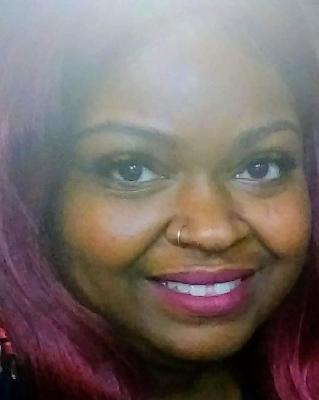
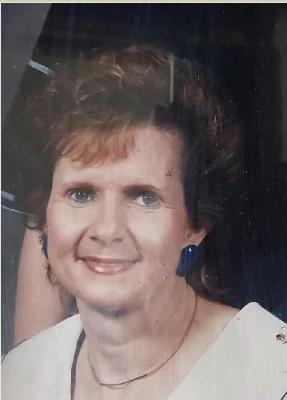
Railena Amadeline Dawn Rhodes was a 14-year-old female from Moore, Oklahoma, growing up in a tight-knit family that straddled everyday teenage life and the particular resilience of a community often tested by hardship. Born on February 28, 2000, in Oklahoma City to parents Jason Stille and Andrea Rhodes, she was a student at Moore High School, where friends remembered her as funny, “goofy,” and surrounded by people she loved.
She enjoyed dressing up, shopping, dancing, and scrolling through Facebook, always gravitating toward moments where she could laugh, pose, and play around with friends and siblings. At home, her world was filled with brothers, a sister, grandparents, aunts, uncles, and cousins, the kind of family web where someone was always coming or going, talking in the kitchen, or claiming space in a shared bedroom.
On the night of November 28, 2014, that busy family home on Southeast 2nd Street in Moore became the backdrop for a party that drew in teenagers and young adults from the neighborhood. Music played and people drifted in and out of rooms, the kind of gathering that can feel like the whole world when you are a teenager. Sometime in the early morning hours, around 3:45 a.m. on November 29, a vehicle passed outside and gunfire erupted. Police later said someone fired multiple shots into the house from outside, and one bullet tore through Railena’s bedroom, striking her in the neck as she was inside. She was rushed toward medical care but died on the way to the hospital, her life ending in the chaotic aftermath of a drive-by shooting that shattered the night and the sense of safety inside her mother’s home.
In the days that followed, her family’s grief became public. Her father, who lived near Anaheim, California, spoke about having just talked to his daughter on Thanksgiving and then, days later, being told she was gone. He begged for answers and for someone to come forward, describing how a single bullet had “destroyed an entire family” and left them desperate for justice and closure. Friends, including one who said she witnessed the shooting, described the confusion inside the house as gunfire ripped through the walls. According to that friend, an argument involving Railena’s brother had been unfolding, and Railena, never one to stand by when people she loved were in conflict, was moving to step in when the bullets came. She was seen clutching her throat and collapsing, a moment burned into the memories of the people in the room and later shared with reporters as they tried to make sense of what had happened.
For a time, the investigation unfolded with no publicly named suspect, and media accounts stressed that detectives were searching for whoever had fired into the house while a party was underway. The image of Railena that emerged in obituaries and memorials—chatty, playful, always up for dressing up or dancing—clashed painfully with the sterile words “drive-by shooting,” a phrase that reduced the complexity of her life to a line in a police report. Online memorials invited people to light virtual candles in her honor, describing her simply as a young teenager lost to gun violence in Moore, Oklahoma, as her family organized funeral services at the First Baptist Church of Moore and laid her to rest in the local cemetery.
The investigation eventually led authorities to focus on a 19-year-old man from Lexington, Oklahoma, named Cody Dallas Delano. Prosecutors later outlined a chain of events they said began earlier that night at a residential party: Delano was there with friends when he got into a fight with another man, and the confrontation escalated to the point where he was chased out of the house. Angry and humiliated, he allegedly left, then returned armed with a rifle and other guns. From outside, he fired five or six shots toward the home; one of those bullets entered the house and fatally struck Railena. Defense attorneys would later contend that Delano’s friends had taken his car and his guns and were the ones who actually shot into the house, but investigators and prosecutors maintained that he was the one who came back and pulled the trigger.
In 2015, the case went before a Cleveland County jury. Over the course of the trial, jurors heard about the party, the argument, the shots fired into the house, and the final moments of the teenager who never made it out of her bedroom alive. After deliberating for about nine hours, the jury found Cody Dallas Delano guilty of first-degree murder in the death of Railena Rhodes. They recommended that he be sentenced to life in prison, and court records and later reporting indicate that the recommendation translated into a life sentence without the possibility of parole. The narrative accepted by the jury was that Delano, angered after the altercation at the party, chose to return with a rifle and unleash a burst of gunfire that turned a noisy, crowded house into a crime scene and left an innocent girl dying on the floor.
Delano appealed his conviction and sentence, arguing that he had not received a fair trial and that his attorneys had been ineffective, among other challenges. In August 2017, the Oklahoma Court of Criminal Appeals rejected those arguments and upheld both the conviction and the life sentence, reaffirming the trial court’s findings that he was responsible for the drive-by shooting that killed Railena. Appellate judges leaned on the trial record, which included testimony about the party, the earlier fight, and the subsequent return to the house with a rifle, as well as the competing version of events offered by the defense. By affirming the verdict, the appeals court effectively closed off Delano’s main path to overturning the judgment.
Publicly available accounts do not describe any other arrests in connection with Railena’s killing, and no other suspects have been charged in the case. The defense’s suggestion that unidentified friends could have taken Delano’s car and guns to fire into the house remained a theory raised at trial, not an alternative prosecution, and the courts left the jury’s conclusion intact. Years later, online memorials still gather small notes and virtual candles in her name, while case profiles and news archives summarize the night in a few stark lines: a teenager in her bedroom, a burst of shots from the street, and a life that ended between one breath and the next as a house party turned suddenly, irreversibly, silent.