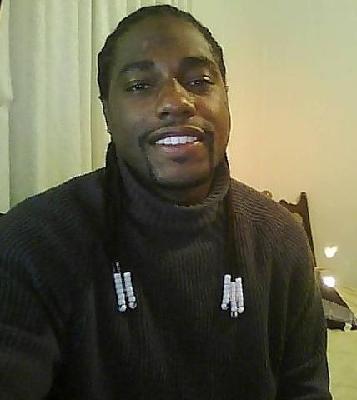
Terry Brown Jr., a 33-year-old white male from Tulsa, Oklahoma, spent the last evening of his life in the quiet familiarity of his east Tulsa condominium, unaware that a chance encounter would turn deadly before the night was over. In the early hours of October 15, 2016, neighbors in the complex were startled awake by the sound of multiple gunshots echoing through the courtyard.
When officers arrived, they found Brown lying just outside his home, mortally wounded from a gunshot to the head, the entrance to his condo turned into a crime scene under harsh emergency lights.
News of his death spread quickly among family and friends, who remembered him not only by name but by the life he had built and the loved ones he left behind, including two children. Online memorials soon began to fill with tributes and candles lit in his honor, small digital gestures standing in for the visits and flowers that would follow. These remembrances painted a picture of a man whose life, routines, and relationships had been abruptly severed in the space of a few gunshots outside his own door.
Detectives pieced together the chaotic moments leading up to the shooting from witness statements and evidence at the scene. The investigation soon focused on an encounter that appeared to have begun as a drug deal inside the residence. According to reports, a man had come to the condo to sell marijuana, and at some point during the exchange, someone turned off the lights. In the sudden darkness, that visitor pulled a gun and fired, then fled into the night while neighbors, hearing the gunfire, called for help. The address in east Tulsa, near East 30th Place and South 135th East Avenue, became another marker on the city’s growing list of homicides for 2016.
Within hours, Tulsa police identified a suspect: 28-year-old Dewantez Deshawn Lovelace, a man described in local coverage as an ex-con with multiple felony convictions. Investigators learned that Lovelace had allegedly admitted to a witness that he had shot someone, initially claiming he shot a man in the arm, and later told detectives he had fired his weapon after the lights went out during the drug transaction. He left the scene but was tracked down and taken into custody. Court and booking records show that Lovelace was arrested on October 15, 2016, and booked into the Tulsa County jail on a complaint of first-degree murder, with no release date listed at the time.
As the case moved forward, it drew wider attention when it was featured on the true-crime television series The First 48. In a Season 19 episode, Brown was identified as the deceased victim in a Tulsa segment, while Lovelace was listed among the key participants, underscoring how the investigation had come to represent a textbook example of detectives racing against time to break a homicide case. The episode synopsis described a Tulsa man gunned down when “a stranger sees an opportunity too good to pass up,” a stark narrative frame for what had happened outside Brown’s front door.
Beyond the courtroom filings and television retellings, the story of Terry Brown Jr.’s death ultimately settled into a quieter kind of record: a memorial entry noting his full name and dates, a burial listing at the National Memorial Cemetery of Arizona in Phoenix, and an online case profile documenting the basic facts of his life and the violence that ended it. Together, these fragments form the outline of a man whose ordinary home became the setting for an extraordinary and senseless act, one that turned a private life into a public case file and left a family and community grappling with the absence he left behind.