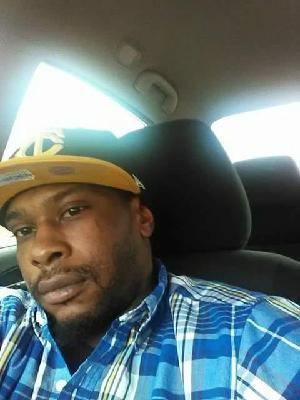
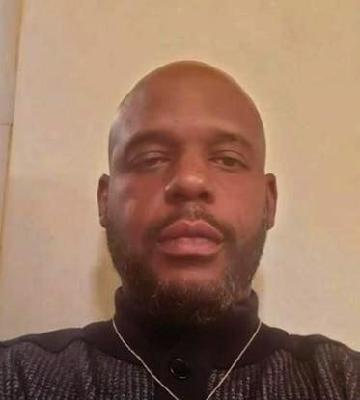
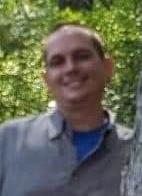
On a winter night in early February 2019, life in a southwest Oklahoma City neighborhood moved along as usual until the quiet was broken by the sounds of a disturbance near the 1600 block of Heyman Street, close to South Pennsylvania Avenue and Southwest 15th Street. In the middle of that turmoil was Larry Ramsey Jr., a 39-year-old Black/African American man whose ordinary day would end in violence that no one around him could have imagined.
Responding officers, dispatched on a disturbance call on February 5, followed reports out toward an open field off Heyman, where they found Larry lying with injuries that made it clear something far more serious than a simple argument had taken place.
Larry’s story had started decades earlier in the same city where it ended. He was born in Oklahoma City on November 21, 1979, the son of Brenda Ramsey and Larry Ramsey Sr., and grew up in a close-knit family that included several sisters. He attended U.S. Grant High School, and as an adult worked in roofing and construction, the kind of hard, physical labor that kept him outside under Oklahoma skies and helped support his loved ones. Friends and family who later wrote about him online remembered someone who was respectful and sweet, hardworking and fun, reliable and “a great listener,” the kind of person people said you’d always want at your side.
On the night he died, whatever began as a confrontation escalated quickly. Neighbors and passersby heard or sensed trouble enough that someone called for help, bringing police into the area around Heyman Street. By the time officers arrived and pushed their flashlights across the field, they found Larry already gravely hurt, with injuries consistent with a homicide born out of a violent altercation rather than a random accident. The scene, an open stretch of ground just off a residential corridor, suggested he had been attacked away from the safety of any home, leaving him exposed in the dark as first responders tried to piece together what had just happened.
In the days that followed, detectives worked to reconstruct his last movements: who he had been with, how a dispute had boiled over into lethal gunfire, and why someone had chosen to resolve an argument with a weapon instead of words. Online memorials later summarized that he had been “lost to gun violence” on February 5, 2019, one of many names on a national roll of people killed with guns, but to those who knew him he was not a statistic—he was Larry, with a history, a nickname, and people who lit virtual candles in his memory. Messages left for him speak in the present tense, as if he might still hear them: notes of love, disbelief, and the lingering ache of a life cut short.
References to the case in online archives indicate that, after the initial shock of the killing, Oklahoma City police announced they had arrested a man in connection with Larry’s shooting death, a development reported in local news under the blunt headline that a suspect had been taken into custody. Publicly accessible summaries, however, stop there; they do not name the suspect or clearly describe the charges, the progress of any court proceedings, or how the case ultimately concluded. From the outside, what remains is the outline of an investigation that moved quickly enough to produce an arrest, but left few details in the open record for the broader public to see. For Larry’s family and friends, the thinness of those records contrasts sharply with the fullness of the life they remember—a man rooted in Oklahoma City, working with his hands, loved enough that years later people still return online to light another candle and to say, in their own words, that they miss him.