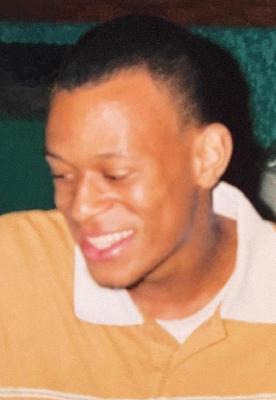
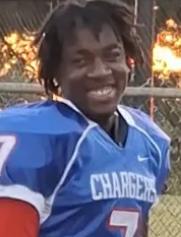
Xzavion Chatman, an 18-year-old Black / African American male from Tulsa, Oklahoma, was remembered as a young man with a vibrant personality and a deep love for music and fashion, a teenager who was just beginning to imagine a future built around his creative talents. Born in August 2000 and raised in Oklahoma, he was part of a close-knit family who would later gather in grief at his funeral service, held in early April 2019 at St.
Paul Trinity Church of God in Christ before he was laid to rest at Green Acres Memorial Gardens in nearby Skiatook. His name now appears among national listings of people lost to gun violence, a stark reminder of how quickly a promising life can end.
On the morning of Thursday, March 21, 2019, police were called to the Edenwood Apartments at 2141 North Hartford Avenue in north Tulsa after reports of a shooting. Officers arrived to find Xzavion inside one of the apartments, suffering from a gunshot wound to his upper torso; in another account, investigators noted that the wound was to his back. Emergency responders rushed him from the scene to a local hospital, but despite efforts to save him, he was pronounced dead there a short time later. The incident was quickly treated as a homicide, and his death was logged in local and national databases as a fatal shooting in Tulsa on that date.
In the days that followed, Tulsa homicide detectives worked to piece together what had happened inside the apartment that morning. The crime scene was set against the backdrop of a city already grappling with a spike in killings, and investigators moved swiftly to identify who had been with Xzavion when the gunfire erupted. Within a week, police publicly announced that they were looking for two teenage suspects believed to be connected to his death. They named 14-year-old Amahd Lee Frazier, also known by the nickname “Aseven,” and 17-year-old Marvin Tyrone Penn Jr., known as “Marv,” describing both as teenage boys from Tulsa and releasing their physical descriptions to the public. At that stage, detectives appealed to the community for tips, urging anyone with information about where the two might be hiding to call CrimeStoppers or the police tip line.
The investigation soon produced its first major breakthrough. In early April, roughly two weeks after the shooting, officers arrested Marvin Penn in connection with the killing. According to police and local news reports, Penn was taken into custody on a Tuesday and booked into the Tulsa County Jail, where his bond was set at one million dollars—a figure that signaled how seriously authorities viewed the case. At the time of his arrest, officers said they believed he was one of the gunmen responsible for the shooting at the Edenwood Apartments that left Xzavion mortally wounded.
Even as Penn sat in jail, the search for the younger suspect continued. Police repeated Frazier’s name and description in public appeals, emphasizing that he was only fourteen but was wanted on suspicion of murder. Court records later showed that a first-degree murder charge had been filed against him on March 25, just four days after the shooting, underscoring how quickly prosecutors moved once detectives believed they had identified the pair involved. In early April, Tulsa’s lead homicide detective confirmed that Frazier had done what investigators had been hearing rumors he might do: he turned himself in. With his surrender and Penn already behind bars, both teenagers faced serious charges tied directly to the shooting death at Edenwood, and the case shifted from an intense manhunt into the long, quieter phase of court proceedings and legal arguments.
While the justice system moved forward, the story of Xzavion’s life and death continued to echo in the community. Online memorials and crime-tracking sites preserved fragments of who he had been—his age, his city, the date and manner of his death, and small glimpses of his personality, including the way he lit up around music and fashion. His funeral announcement listed the church where loved ones gathered to say goodbye and the cemetery where he was buried, details that anchored his story not just as a statistic in a homicide log but as a son, relative, and friend whose absence would be felt in specific pews, on specific streets, in the lives of people who had known him simply as “Zay.”