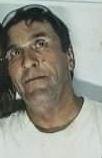
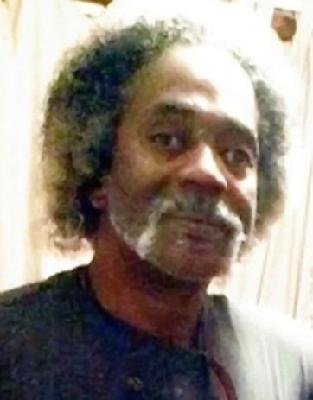
Rodney Dorsey was a 52-year-old African-American man living in Tulsa, Oklahoma, whose life was closely intertwined with his family and neighbors in north Tulsa. In early January 2015, his brother grew uneasy when days passed without the usual calls or visits. That concern drew him to Rodney’s home, a modest house near North Atlanta Court, where the quiet inside felt wrong from the moment he stepped through the door.
His search ended in shock: Rodney lay face down on the floor, unresponsive, and it was immediately clear that something terrible had happened.
Police were called to the scene around 7:15 p.m. on January 12, 2015. When officers arrived, they found Rodney dead inside his home, suffering from multiple stab wounds to the chest. Investigators combed through the house and noted the unsettling details: there were no signs of forced entry, suggesting that whoever attacked him had likely been let in or was already trusted enough to be there. Neighbors told authorities they had seen him alive only days earlier, adding to the sense that the violence had struck suddenly and from close quarters.
In the days and months that followed, Rodney’s killing weighed heavily on both his family and the detectives assigned to the case. His brother spoke publicly about the disbelief he felt when he found him, and about the constant ache of knowing that someone in the community had taken his life and was still free. The case became one of several unsolved homicides that year in Tulsa, each one a story of grief without answers. Investigators chased leads, revisited interviews, and tracked down every fragment of information they could find. Even as 2015 drew to a close, Rodney’s homicide remained open, and a Tulsa homicide detective kept the license plate number of Rodney’s missing pickup truck memorized—a small but telling sign of how unwilling they were to let the case fade into the background.
Years passed, and the file risked becoming another cold case stored among many. But evidence collected from the scene was preserved, waiting for the day technology or fresh scrutiny might reveal something new. Nearly a decade after Rodney’s death, that moment finally came. DNA testing provided a breakthrough, linking 50-year-old Tanikka West to the homicide. Detectives, who had once felt they had exhausted every lead, now had a concrete connection. West was arrested and charged with first-degree murder, and authorities reported that she was being held in the Nowata County Jail, to be brought back to Tulsa to face charges in court. The announcement marked the first real step toward accountability in a case that had haunted Rodney’s loved ones for years.
Soon after that breakthrough, investigators named a second suspect. In April 2024, police arrested 46-year-old Angela Friday on a warrant for first-degree murder in connection with Rodney’s death. She was taken into custody and booked into the David L. Moss Criminal Justice Center, while West remained jailed on her own charge. Detectives indicated that with these two arrests, they did not expect to seek additional suspects, and case records now list Rodney’s homicide as solved. For the investigators who had spent years carrying the weight of unanswered questions, and for a family that had lived with the knowledge that someone had taken Rodney’s life and walked free, the arrests signaled a long-awaited turn toward justice.
Even with those developments, the story of Rodney Dorsey’s death is still, for those who knew him, a story about absence—about a brother who went to check on a loved one and instead stepped into a nightmare, about a family and circle of friends who spent years living with the question of why. The eventual identification and arrest of two suspects cannot restore what was lost in that quiet house on a January evening, but it offers the possibility that a jury will one day hear his story in full, and that the violence done to him will be answered in a court of law. For his family, that chance at accountability is a measure of closure hard won after nearly a decade of waiting.