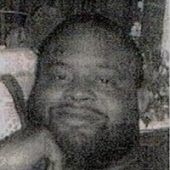
Do you know who murdered Daryl Drommer? On December 4, 1993, Daryl Don Drommer, a 47-year-old male, was found shot to death inside his residence at 1958 East Marshall Place in Tulsa, Oklahoma. He was discovered there by a roommate returning home, the quiet familiarity of the house broken by the sudden reality that Drommer lay inside, already beyond help. The address would later appear in police records and cold case listings, a fixed point in time marking the end of his life and the beginning of a long-unresolved homicide
investigation.
Before his life in Oklahoma, Drommer's story began in Iowa. Public records and obituary fragments describe him as a baby adopted in 1946 by Harley and Vera Drommer, a couple in Pomeroy, Iowa, where he grew up and maintained ties. Years later, he moved from Iowa to Tulsa, a detail noted in modern case summaries, suggesting a man who had left his small-town roots behind for a different life in a new city. After his death, his connection to Pomeroy endured; burial records show that his body was returned to Iowa and interred in Union Cemetery in Calhoun County, placing him back in the community where his life had started.
Inside the Tulsa home on East Marshall Place, the scene told investigators a grim but puzzling story. Drommer had been shot twice in the head, a precise and lethal attack. Yet there were no signs of forced entry, suggesting that whoever entered the home either had easy access or was willingly let in. Nothing was reported missing from the residence, and there were no obvious indications that robbery was the motive. The combination of a targeted killing, an apparently undisturbed home, and a lack of clear motive left detectives with more questions than answers even in the earliest stages of the investigation.
Over time, the case moved from an active homicide file into the ranks of cold cases, where it remains. The Tulsa Police Department lists Daryl Don Drommer's killing among its unsolved homicides, and the case is still assigned to the department's Cold Case Unit, which continues to solicit tips from the public. Independent cold case organizations also track his murder, reiterating that his death is unsolved and emphasizing the mystery of the lack of forced entry, missing property, or clear motive. Across these records, there is no indication that any suspect has been publicly identified, arrested, or charged in connection with his killing. Decades after he was found in his Tulsa home, Drommer's case endures as an open question in both official files and public databases, waiting for the detail or witness that might finally explain what happened to him on that December day in 1993.