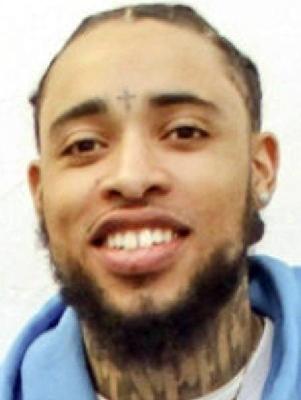
Deontae Marquis Kendrick Sr., a 28-year-old Black man, headed to an apartment complex in northwest Oklahoma City on a Friday night in November 2021, the kind of night meant for music, friends, and a little escape from the grind of everyday life. The complex sat in the 7500 block of Knight Lake Drive, near Northwest 63rd Street and Lyrewood Lane, a cluster of buildings where people came and went, children played, and parties were hardly unusual.
That evening, there was a gathering inside one of the units, and Deontae found himself among the crowd as the night grew later and the mood inside shifted from light and social to tense and volatile.
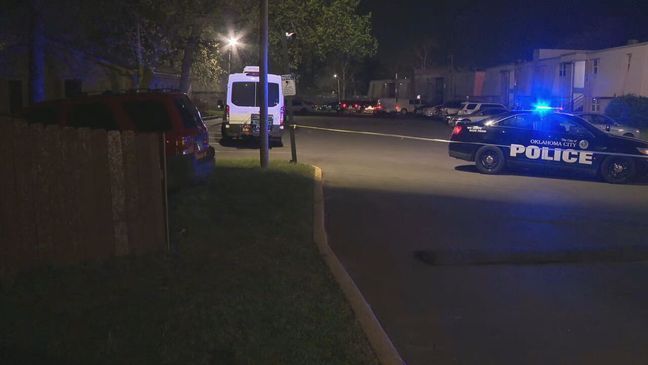
Not long after 8 p.m. on November 12, 2021, the atmosphere at the party broke down into confrontation. Witnesses later told police that a fight erupted inside the apartment, an argument that escalated far beyond harsh words. In the middle of that chaos, someone produced a gun. Moments later, gunshots tore through the gathering, scattering guests and leaving Deontae gravely wounded. Neighbors called for help, and officers with the Oklahoma City Police Department were dispatched to the complex just after 8 p.m., arriving to find him lying at the scene with apparent gunshot wounds. Medics could not save him; there, at the place where the evening had begun as a simple party, he was pronounced dead. Investigators immediately classified the death as a homicide, noting that he appeared to have been shot to death during the altercation.
Detectives began piecing together the final moments of his life from shaken partygoers and anyone else willing to talk. What they heard painted a picture of a crowded apartment, a disagreement that spiraled into a physical fight, and a single individual opening fire before slipping away into the night. Police identified Deontae by name and released basic details about the case to the public, urging anyone who had seen or heard something to come forward. The homicide was one more entry in a year that had already seen dozens of killings in Oklahoma City; by mid-November, his death was recorded as the city’s 82nd homicide of 2021, a stark reminder of how common such tragedies had become.
In the days that followed, officers canvassed the area around Knight Lake Drive, talked to residents, and revisited witnesses from the party, trying to separate rumor from truth and identify the shooter. Public statements from police made it clear that they believed a suspect had opened fire after the fight, but they did not release a name or detailed description. They stressed instead that no one was in custody and appealed again and again for tips to the department’s homicide line, emphasizing that even small details might help them find the person responsible. News reports at the time all carried the same sobering line: there had been no arrests in the case. Subsequent public reporting and memorial listings have not documented any later announcement of an arrest, charges, trial, or conviction, and there is no indication in readily available records that the shooter has ever been formally identified or brought before a court for Deontae’s killing.
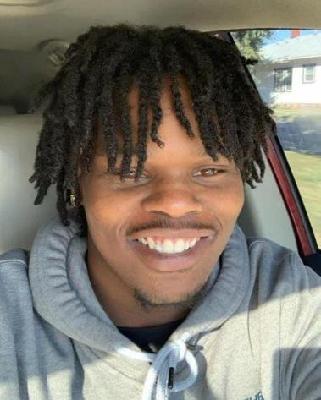
Away from the crime scene, his name began appearing in a different context: on online memorial pages where family, friends, and community members tried to put into words who he had been before that night. One tribute lists his nickname as “Tae” and describes his personality simply and vividly as “life of the party,” a phrase that stands in poignant contrast to the way his life ended at a party in that northwest Oklahoma City apartment. Contributors mention that he had children and roots in the community, hints of a fuller story that extends far beyond the brief paragraphs of police statements and news briefs. Candles, comments, and remembrances gather under his photo, each one a small attempt to reclaim him from the anonymity of crime statistics and to insist that he was more than a victim at the 82nd homicide scene of the year. As time passes and no public resolution is announced, those memorials and the unanswered questions surrounding his death are what remain, keeping his name alive even as the case itself appears to linger without justice.