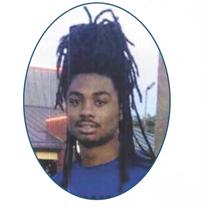
Richard C. Conn, a 26-year-old resident of Milwaukee, Wisconsin, was tragically shot and killed on July 5, 2014. The incident occurred near 11th and Atkinson, where Conn was found lying on the ground with a gunshot wound to his head. He was pronounced dead at the scene, and the Milwaukee County Medical Examiner's Office ruled his death a homicide^1^.
The investigation revealed that Conn was a witness in another shooting case, which likely made him a target.
On May 17, 2014, Conn had survived a separate shooting incident in the 3700 block of N. 10th Street, where shell casings from an AK-47 type assault rifle were found. The following day, a double homicide occurred in the 3600 block of N. 11th Street, with shell casings matching those from the previous day's shooting^1^. Conn had identified the shooter in the May 17 incident, leading to the individual's arrest and charges^1^.
On the day of Conn's death, a witness reported seeing two men armed with handguns approaching Conn as he walked toward his parked SUV. One of the men shot Conn in the head, and when Conn fell to the ground, the shooter attempted to continue firing, but the weapon appeared to jam. The suspects then fled the scene, leaving behind a bag containing nine corner-cut baggies of marijuana^1^.
Robert McCorkle, a 29-year-old man from Milwaukee, was charged in connection with Conn's death. McCorkle faced multiple charges, including first-degree intentional homicide as a party to a crime, possession of a firearm by a felon, and battery/threat to a witness as a party to a crime, all with the use of a dangerous weapon^1^. The prosecution's theory was that Conn was killed to prevent him from testifying against Hakeem Harris, another individual involved in the earlier shooting incidents^2^.
McCorkle's trial began on June 1, 2015, and lasted four days. During the trial, witnesses testified about the events leading up to and following Conn's death. Despite McCorkle's defense arguing against the admissibility of certain evidence, the jury found him guilty. McCorkle appealed the conviction, but the Court of Appeals upheld the judgment, affirming the trial court's decisions regarding the evidence and the overall fairness of the trial^2^.
Conn's death highlights the dangers faced by witnesses in criminal cases and the lengths to which some individuals will go to silence them. The case also underscores the importance of thorough investigations and the role of the judicial system in ensuring justice is served.