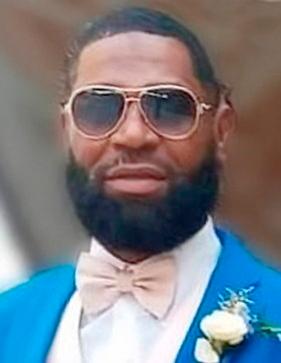
On a late afternoon in Milwaukee, Wisconsin, the life of 18-year-old Jakeem Sims, a Black/African American male, was cut tragically short. It was October 28, 2017, when Sims drove his car, accompanied by three other individuals, to what was supposed to be a marijuana transaction on the city's north side. They had arranged the deal using a social media app to sell two ounces of marijuana for $440.
The plan was to meet two men near 19th and Eggert, with one of the buyers to be identified by a basketball he was carrying.
As Sims pulled into an alley for the meeting, two men approached his vehicle. One of the men, later identified as 17-year-old Demonte Fischer-Hamilton, produced a pistol and demanded everything from Sims and his passengers. Reacting to the sudden threat, Sims attempted to drive away to escape the robbery. It was in this moment that Fischer-Hamilton fired his weapon, a single shot that struck Sims in the head. The car, now without a driver, crashed into a nearby tree. While the passengers were able to get out of the vehicle, Sims was left inside with a fatal gunshot wound. Police arrived at the scene around 3:30 p.m. to find the wreckage and rushed Sims to a hospital, but he was later pronounced dead.
The investigation into the homicide moved swiftly. Investigators recovered a phone from inside Sims's car, which proved crucial in tracking down the suspect. Using information from a social media account linked to the arranged drug deal, Milwaukee police were able to identify and locate Demonte Fischer-Hamilton. He was arrested on November 3, 2017, just days after the shooting. Fischer-Hamilton was subsequently charged with first-degree reckless homicide as a party to a crime, with the use of a dangerous weapon.
Demonte Fischer-Hamilton's case proceeded through the court system. After his initial court appearance on November 9, 2017, the charge against him was later amended to the more severe first-degree intentional homicide. The matter went to a jury trial where witnesses testified and surveillance video from a nearby school was presented as evidence. The jury ultimately found Fischer-Hamilton guilty of the lesser offense of first-degree reckless homicide. He was sentenced to thirty-four years in prison, comprised of twenty-two years of initial confinement followed by twelve years of extended supervision. As part of his sentence, he was also ordered to pay restitution to Sims's family to help cover funeral expenses.