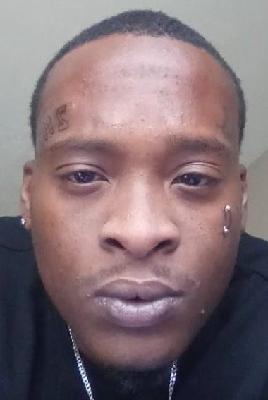
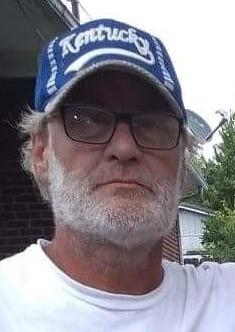
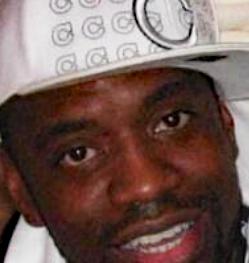
Brian Edward Carr Jr. was a 19-year-old Black African American man from Lexington, Kentucky, whose life unfolded within a large, close-knit family that included his parents, a twin brother, and numerous siblings. He was born on November 15, 1991, and relatives later remembered him as someone who combined “book smarts” with street smarts, a younger brother with a strong will whom older siblings still leaned on for strength and support.
In condolence messages after his death, friends and family described a young man who was respectful, quick to smile, and deeply loved by those around him.
On Sunday, May 1, 2011, that life ended in gunfire on East Main Street in Lexington. City homicide records list the location simply as the 300 block of East Main, a corridor in the downtown area, and note that his cause of death was a gunshot wound. The dry entries on the official chart do not describe the sounds that must have echoed off the buildings or the sudden panic that would have followed, but they capture the essential facts: a young man, shot, and a city that now had another homicide to investigate. By that evening and in the days that followed, his name appeared in funeral notices, where his family spoke of him as having been “called home” far too soon, while the community around him tried to process how a routine night in Lexington could end in the death of someone so young.
Detectives in Lexington’s Bureau of Investigation added his case to the 2011 homicide roster, recording it as case number eight for the year. In that same chart, next to his name, they marked the case status as “CBA” – cleared by arrest – and listed a suspect: Robert Benton. In the language of the department, that designation means investigators obtained a warrant or made an arrest and formally tied a named suspect to the killing. The city’s public summary makes clear that it is not a court record and does not track what happened afterward in the judicial system; it stops at the moment police work is considered complete, leaving any later plea negotiations, trial proceedings, or sentencing to separate court files that are not reflected in the police chart. What remains visible to the public is the through-line the investigators drew: from the gunshot that killed Brian on East Main Street to the decision to arrest and name Benton as the person they believed responsible.
In the years since, Brian’s memory has lived on more vividly in the spaces his family and friends created than in the terse language of official documents. His obituary in the local paper lists the people who survived him—parents, twin brother, six sisters, three brothers—and guestbook entries show relatives writing directly to him, talking about missing him, asking him to watch over them, and describing how their hearts were broken by his absence. On an online gun-violence memorial page, visitors have lit dozens of virtual candles and posted photographs and remembrances, turning a simple entry about a life lost to gun violence in Lexington into a small shrine of comments, emojis, and shared grief. Funeral services were held at Consolidated Baptist Church in Lexington, where mourners gathered to say goodbye, to tell stories about the boy who grew into a young man with a wide circle of loved ones, and to try to make sense of a killing that official records reduce to one line on a homicide chart.
Taken together, those traces sketch the outline of Brian’s death and its aftermath: a teenager from a large family, shot and killed on East Main Street; a homicide case that the Lexington Police Department considers solved by the arrest of suspect Robert Benton; and a community that continues to remember him not as a statistic from 2011, but as a son, brother, and friend whose absence is still keenly felt.