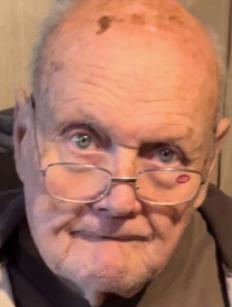
Gary Todd Lundberg, a 56-year-old male from the Finchville area of Kentucky, died on August 19, 2015, after a fire and shooting inside his home near the Spencer–Shelby county line. Public records list his birth as May 24, 1959, and confirm his death on that August day in 2015, later noting that he would be laid to rest far from Kentucky, in Oklahoma City.
On a Wednesday morning around 9 a.m., neighbors along Airport Road saw thick smoke and flames pouring from a house in what they described as an upscale, close-knit community. Firefighters arrived to find the home already heavily involved, a roaring blaze that consumed much of the structure. After battling the fire for hours, crews moved through the charred interior and discovered a man’s body in a front room of the residence, turning what had begun as a routine fire call into a death investigation that immediately unsettled the neighborhood.
As Kentucky State Police and the Spencer County coroner examined the scene, the picture grew darker. An autopsy revealed that Lundberg had died from a gunshot wound to the head, and investigators noted a shotgun lying near his body. Authorities emphasized that the fire’s cause was still undetermined, and that both the blaze and the gunshot were central to understanding what had happened in the final moments inside the house. The combination of a destructive fire and a fatal gunshot, rather than smoke or burns, as the cause of death made the case stand out even in a region not unfamiliar with tragic house fires.
Neighbors told reporters that the home belonged to a UPS pilot and his wife, a family who had moved into the neighborhood only a short time earlier. The area, they said, was a small community of aviation enthusiasts, complete with its own landing strip, and residents were unaccustomed to police activity or major crime. In the days after the fire, people drove slowly past the blackened shell of the house, studying the ruins and voicing unease about what some called the mysterious circumstances: one neighbor recalled hearing what sounded like an explosion before seeing the flames, and many expressed hope that state police would be able to explain both the blast and the gunshot that followed.
Investigators collected multiple bags of evidence from the scene and the coroner completed the autopsy quickly, but the official statements that reached the public remained cautious. Contemporary news reports focused on the determination that Lundberg had died from a gunshot wound and on the unresolved question of how and why the fire started; they did not describe any person of interest, name a suspect, or report an arrest, and there is no indication in those accounts that charges were ever filed in connection with his death. Over time, the burned house was reduced to a memory in local coverage, while the record of Lundberg’s life and death shifted to quieter forms: a brief obituary noting his birth and passing, a cemetery listing showing his burial at Rose Hill Burial Park in Oklahoma City, and an entry in a national gun-violence memorial that marks August 19, 2015, as the day his story ended without a publicly documented resolution to the questions raised by the fire and the fatal shot inside his Kentucky home.