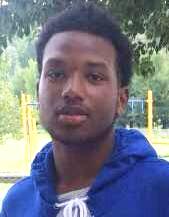
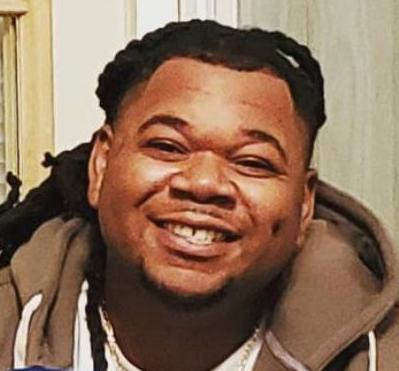
Davontae Goder was a 21-year-old Black man from Louisville, Kentucky, whose life was cut short on October 5, 2015, when he was killed by gunfire on Marret Avenue near South Preston Street in the city’s central neighborhoods. That Monday around midday, police were called after a body was discovered in the street; the killing was soon marked as Louisville’s 60th homicide of the year, a stark statistic that did little to capture the shock of the residents who watched investigators converge on
the block.
Behind the crime-scene tape, family members and neighbors spoke about the person Davontae had been before the gunshots. Relatives described him as a good kid who kept a job, liked to work, and took pride in taking care of his children. He already had two young daughters, and his cousin shared through tears that Davontae’s girlfriend was pregnant with twins; the couple had just moved into a new house, and it felt to those close to him as though he was “moving up in the world” and stepping firmly into adulthood when his life was suddenly taken. Loved ones remembered him as laid back, funny, and someone who stayed to himself and didn’t bother anybody, the sort of person who would help someone before he hurt them.
On the street where he died, the violence felt both public and senseless. Neighbors told reporters that the killing brought only sadness, reminding them that the man lying in the roadway was not an abstraction but somebody’s son and somebody’s father. The scene of officers talking with residents in the early afternoon, blocking off the 400 block of Marret Avenue in broad daylight, underscored how brazen the shooting was and how vulnerable people in the area felt. In the days that followed, mourners gathered at the same intersection for a prayer vigil, standing near the spot where he had fallen, and spoke again about the young father whose life and responsibilities had been abruptly severed in the middle of an ordinary day.
For detectives, the task of finding his killer began with canvassing the neighborhood, but from the start they released little information about what might have led to the shooting. Authorities confirmed early on that they were searching for the shooter and that, despite interviewing neighbors, they had not made an arrest. Public reports at the time noted that no suspects had been identified, and police appealed for anyone with information to come forward through the city’s crime tip line. Years later, there is no indication in publicly available records that an arrest was ever announced, that a suspect was publicly named, or that the case moved into a courtroom. Davontae’s death remains, in the record that can be traced, a daylight killing in a Louisville neighborhood where the investigation opened with urgency but has not yet brought his family the resolution of seeing someone held accountable.