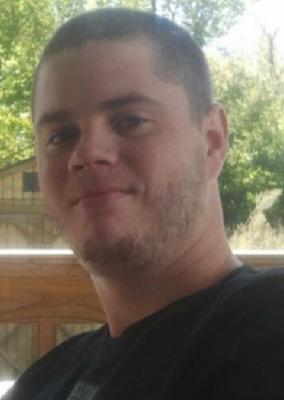
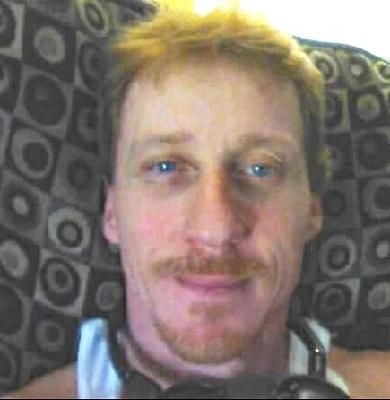
In the spring of 2016, the life of 46-year-old Gary Paul 'GP' Johnson was unexpectedly cut short in a senseless act of violence. On the night of April 9th, Johnson was at The 505 Club in Paducah, Kentucky, when a dispute broke out that did not involve him. Tragically, he was struck by a stray bullet and sustained a gunshot wound to the head. For a week, he fought for his life at a local hospital and then at Vanderbilt University Medical Center in Nashville, Tennessee, but ultimately succumbed
to his injuries on April 16, 2016. Gary Johnson was a male and his death was a profound loss to his family and the community.
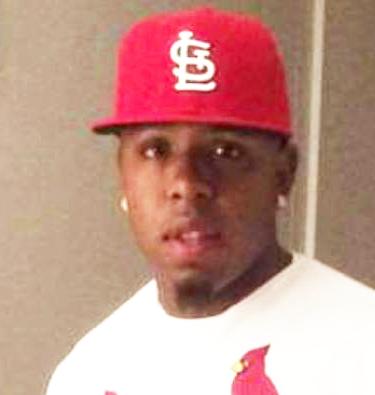
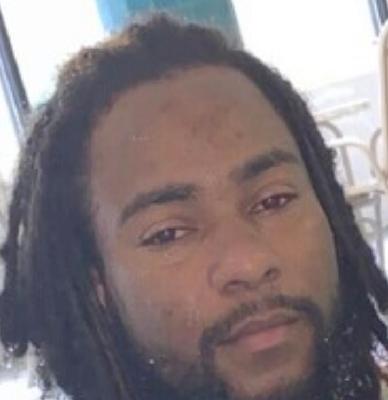
The investigation into the shooting quickly pointed to Keyon 'Jumbo' Johnson as the primary suspect. According to witness testimony, Keyon Johnson had been involved in an altercation with another man, Jermaine Harris, inside the club. The dispute reportedly stemmed from a financial disagreement. As the confrontation escalated, Keyon Johnson allegedly brandished a firearm and fired multiple shots. While his intended target was Harris, one of the bullets tragically struck Gary Johnson, who was an innocent bystander in the crowded establishment.
Following the shooting, Keyon Johnson fled the scene, sparking a manhunt by law enforcement. He was apprehended a short time later and charged with the murder of Gary Johnson, as well as assault and wanton endangerment for his actions that night. His trial commenced in McCracken Circuit Court, where the prosecution laid out the events of that fateful evening. Witnesses recounted the chaotic scene inside the nightclub and identified Keyon Johnson as the shooter. The defense argued that the shooting was in self-defense, claiming that Harris had also been armed.
After deliberating, the jury found Keyon 'Jumbo' Johnson guilty of murder, first-degree assault, and four counts of first-degree wanton endangerment. He was subsequently sentenced to life in prison for the murder of Gary Paul Johnson. The court also imposed sentences for the other charges, to be served concurrently. Johnson later appealed his conviction, arguing that the trial court had made errors, including the admission of certain evidence and the denial of a mistrial. However, the Kentucky Supreme Court upheld the conviction, solidifying the legal conclusion to a tragic event that claimed the life of an innocent man.