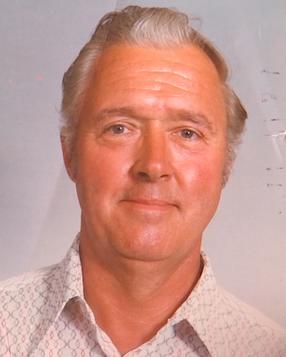
In the early hours of a cold January morning in 2015, the community of Mahtomedi, Minnesota, was shattered by a senseless act of violence that claimed the life of David Frigaard, a 46-year-old White male. A beloved art teacher at Park High School in Cottage Grove and the owner of a local gathering spot, Frigaard's Bar, his sudden death left a void in the hearts of many. On January 24th, after closing his bar for the night, Frigaard was driving home when his journey was tragically cut short.
While stopped at an intersection, he was struck by a single bullet to the chest, fired from a high-powered rifle.
The investigation into the seemingly random shooting quickly led authorities to a 19-year-old from Pine Springs named Bailey Jordan Garcia. Garcia was apprehended by Washington County Sheriff's deputies later that same day after crashing his own vehicle. Inside his SUV, investigators discovered a rifle and a spent shell casing, linking him to the fatal shooting. In the subsequent interrogation, Garcia, who had been drinking and was reportedly contemplating suicide after an argument with his family, admitted to firing at Frigaard's truck. He initially claimed he had gone to the intersection to "shoot a few deer," but later confessed to aiming at the vehicle, though he said he fled because he was unsure if he had hit the driver.
As the legal proceedings unfolded, a clearer picture of the perpetrator emerged. Garcia had a history of anxiety and depression. His defense attorneys highlighted his mental health struggles, suggesting he was "bewildered and shocked" to learn he had killed someone and that his actions were not those of a cold-blooded killer. Despite these claims, and initial speculation by some bar patrons that the shooting may have stemmed from Frigaard refusing to serve the underage Garcia earlier that night, investigators found no evidence that the two had ever met. The act appeared to be a tragic, random event.
Ultimately, Bailey Jordan Garcia pleaded guilty to unintentional second-degree murder. The courtroom was filled with the families and friends of both the victim and the defendant, a somber testament to the lives irrevocably altered by one fateful night. Garcia, expressing remorse for his actions, was sentenced to 27 years in prison. The resolution of the case brought a measure of closure to a community grieving the loss of a husband, father of three, teacher, and friend, whose life was taken without reason.