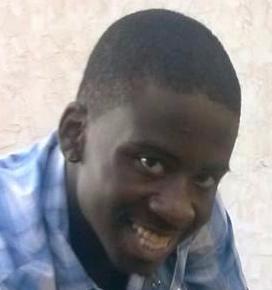
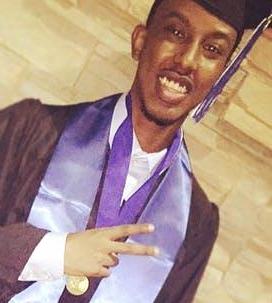
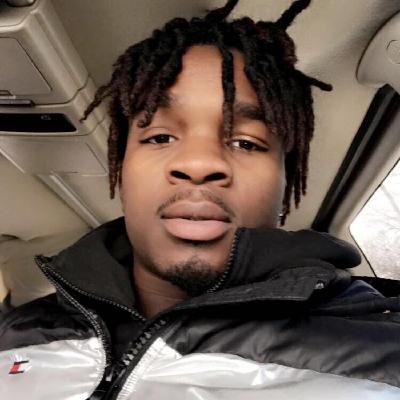
On a cold January evening in 2019, tragedy struck in the city of Fridley, Minnesota, forever altering the lives of those connected to Keimonte Raclaud White, a 17-year-old Black / African American male from Minneapolis. On January 10th, Keimonte was with two friends in a van, intending to give a man a ride for a fee. This seemingly ordinary arrangement took a devastating turn on the 6100 block of 5th Street Northeast.
Shortly after the man they were supposed to transport got into the
back of the van, he opened fire, shooting Keimonte multiple times. One of the shots was fired at extremely close range, leaving a muzzle stamp on his chest. In the ensuing chaos, Keimonte's terrified friends fled from the vehicle as the shooter also ran from the scene. Emergency services were called, and Keimonte was rushed to Hennepin County Medical Center, but his injuries proved to be fatal, and he was pronounced dead.
The investigation into the homicide led authorities to two suspects. Travon Shug Wallace, 24, was identified as the man who shot Keimonte. His cousin, 20-year-old Tamarr Brayon Long, was accused of providing Wallace with the handgun used in the shooting. A witness reported seeing Long with a handgun just before the shooting, and another witness stated that Long later showed them the gun, claiming his cousin had given it to him after the incident. Police found a winter coat with a fur-lined hood, matching the description of the one worn by the shooter, inside a vehicle used by Wallace and Long. The coat had a gunshot hole in one of its sleeves.
Following the investigation, Travon Wallace was charged with second-degree murder, facing a potential sentence of up to 40 years in prison. Tamarr Long was charged with aiding an offender, which carries a maximum sentence of 10 years. The motive for the senseless act of violence that cut short Keimonte Raclaud White's young life was not made clear. His death prompted an outpouring of grief on social media, with many who knew him, including members of the Man Up Club, a group that teaches young Black men to resolve conflict without violence, expressing their sorrow.