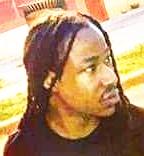
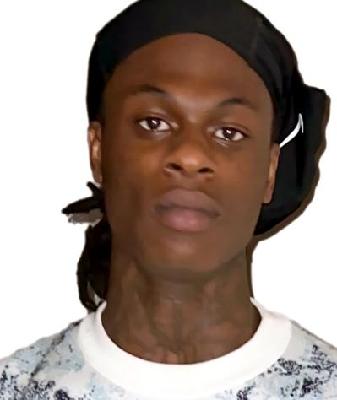
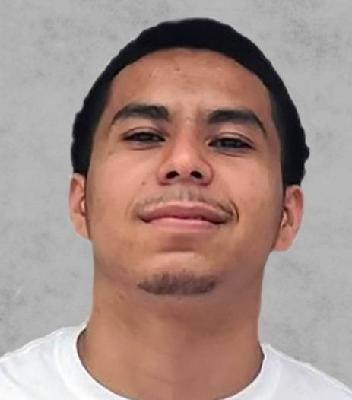
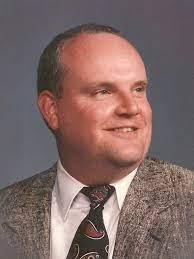
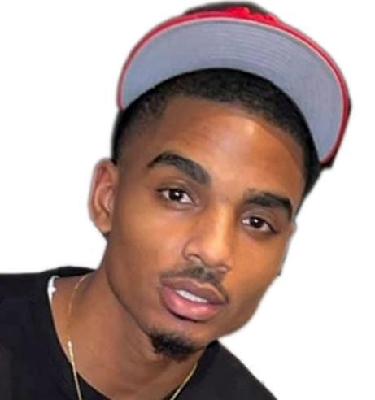
In the early hours of Friday, November 11, 2016, nineteen-year-old Rassaan Jennings, a Black male from Southeast Washington, D.C., became one of two lives cut short by gunfire outside the Stanton Glen Apartment complex in the 3000 block of Stanton Road SE. The neighborhood was still and dark when officers from the Metropolitan Police Department’s Seventh District heard shots ring out around 1:27 to 1:30 a.m., close enough that the gunfire drew them directly toward the source.
When the officers reached the apartment complex, they found a grim scene on the steps of one of the buildings: two young men lying unconscious and unresponsive, both suffering from apparent gunshot wounds. Emergency medical crews rushed them from the scene to separate area hospitals, but lifesaving efforts could not pull either victim back. Before the night was over, both were pronounced dead. The men were identified as Rassaan Jennings and another resident of Southeast D.C., Samuelle Buie, and authorities quickly confirmed that this was being investigated as a double homicide centered on the entrance to the Stanton Glen complex.
Their deaths did not occur in isolation. In the hours leading up to the Stanton Road shooting, D.C. police had already been dealing with other gun violence in the city, including an earlier incident that wounded two people less than half a mile away on Douglass Place SE. News reports at the time noted that detectives had not yet determined whether the earlier shooting was connected to the killing of Rassaan and Samuelle, underscoring how suddenly that Friday’s violence had spiked and how little was initially understood about why the young men were targeted.
In the days that followed, the concrete outside the building where they fell began to change. Friends, family, and neighbors transformed the site into a large street memorial, marked by candles, flowers, and messages of mourning and love. A local documentarian of D.C. street shrines described the tribute as a prominent “In God’s Hands” shrine at the very spot where Rassaan and Samuelle were killed, noting that it stood as a visible reminder of the violence that had taken their lives. Years later, when the site was revisited, the memorial had been tended and refreshed, a sign that the community had not let the memory of the two young men fade.
Online case profiles and discussion forums show how the search for answers has lingered long after the crime scene tape came down. Advocacy sites dedicated to unsolved homicides recount how officers responded to gunfire, found the two victims on the steps of the Stanton Glen Apartments, and later confirmed their deaths in local hospitals, but they offer no narrative of a suspect being identified or brought into custody. A national cold case database built from information shared with The Washington Post lists Rassaan’s homicide with “suspect details: name unknown” and marks the case status simply as “unsolved,” reflecting that no perpetrator has been publicly identified. On CrimeSolversCentral’s forums, contributors still write about the double homicide as an open case, describing the shrine on Stanton Road and, in some posts, noting that members of Rassaan’s family have turned their grief into advocacy against gun violence, using his name to call for change and for anyone with information to come forward.
Today, the story of what happened to Rassaan Jennings remains frozen in those early-morning details: the echo of shots in a Southeast D.C. housing complex, officers racing toward Stanton Road, two young men on the steps of an apartment building, and a community that answered that violence with candles, handwritten tributes, and a promise not to forget. Public records still describe his killing as an unsolved double homicide, with no named suspect and no arrest disclosed, leaving his family and neighbors to carry both his memory and the unanswered question of who was responsible for ending his life.