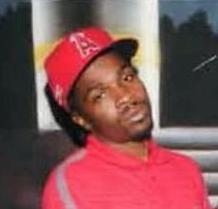
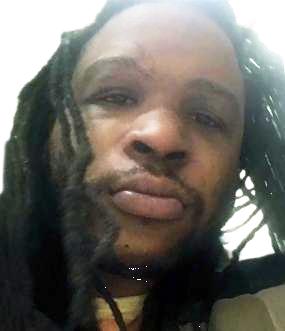
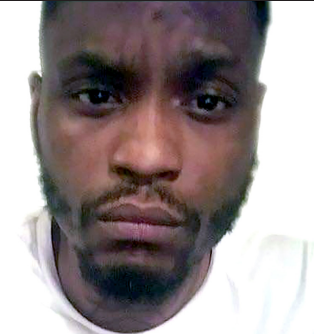
Donnell Lewis Byrd, a 30-year-old male Black/African American, was discovered in the hush of an October morning on October 12, 2017, a life suddenly halted in the 200 block of 54th Street NE in Washington, D.C. Neighbors and patrol officers converged on the quiet row of homes to find him slumped where the street met the lamplight, the violence of a single gunshot marking an ordinary night as one that would be remembered for the wrong reasons.
First responders pronounced him at the scene and his body was later moved to the Office of the Chief Medical Examiner, the city’s official machinery of grief and inquiry now tasked with answering the questions left by the abrupt, senseless end.
Word of his death spread through local bulletin boards and neighborhood pages, the kind of small, precise reporting that stitches together a community’s understanding: a man cut down in his thirties, found in the early hours and taken for forensic examination. Accounts at the time described the scene without ceremony — an investigation opened, evidence collected, a city’s homicide branch beginning the methodical work of tracing a bullet’s story. Friends and acquaintances, some leaving messages on memorial pages, tried to name him beyond the facts, leaving fragments of personality where official notices left only dates and locations.
Investigators treated the killing as a homicide and canvassed the area, but the earliest public updates carried a conspicuous absence: no suspects named, no arrests announced. Initial reports and local crime roundups repeatedly noted that authorities had not released information about who might have been responsible, and subsequent compilations of neighborhood homicides listed his name without a corresponding arrest record. That silence became part of the case’s texture — a file in the city’s ledger of unresolved losses, another household’s unanswered question about what had happened on that strip of pavement.
In the weeks that followed, the cadence of police advisories and news briefs left the outline of the story intact but incomplete: a man found dead, the date and block recorded, the medical examiner’s involvement noted, and an inquiry continuing without public resolution. For those who knew Donnell Byrd, the factual ledger was not the end but the beginning of remembrance; for the city, it was a reminder of the many investigations that move forward in paperwork and forensics while families and neighborhoods wait for fuller answers.