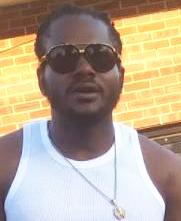
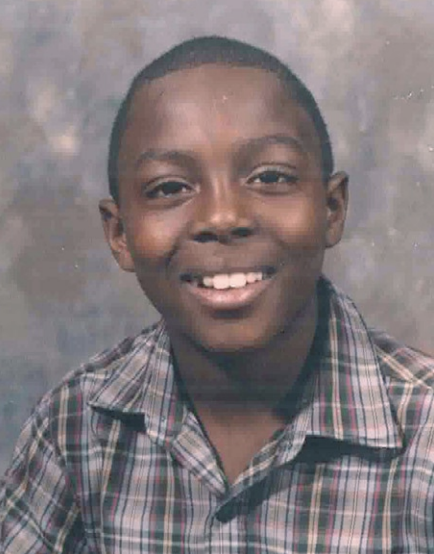
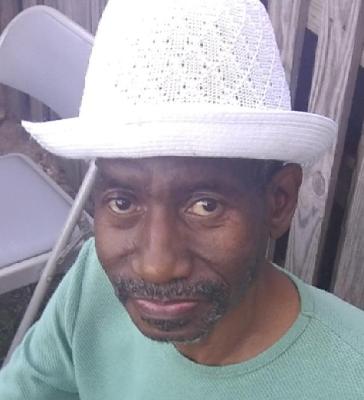
In the early evening of a summer day in Washington, D.C., tragedy struck in a location unsettlingly close to the heart of the city's law enforcement. On July 2, 2018, William Mayo, a 34-year-old man from Southeast Washington, was shot in the 400 block of 2nd Street NW. The attack took place near Judiciary Square, a mere stone's throw from the headquarters of the D.C. police and several courthouses. The incident unfolded around 5:30 p.m., a time when the city is usually bustling.
Mayo was rushed to a nearby hospital, but his injuries proved to be fatal, and he succumbed to them shortly after arrival.
The area where the shooting occurred was not unfamiliar with the sound of gunfire. In the weeks leading up to the fatal shooting of William Mayo, there had been other reports of shots being fired in the same vicinity, creating an atmosphere of unease among the community. The specific location of the incident was near the entrance to the Community for Creative Nonviolence shelter. Concerns were raised by some within the homeless community who alleged that the shooter was a resident of the shelter. This created a palpable sense of fear, not only for personal safety in the event of more violence but also of potential repercussions for speaking out.
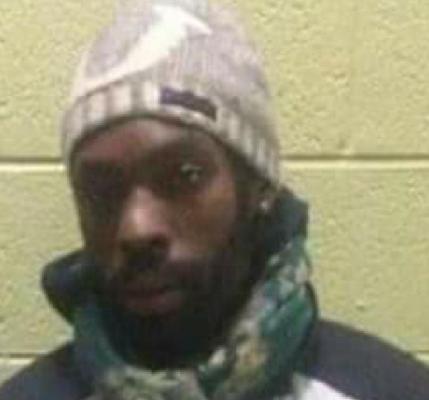
In the days following the shooting, the Metropolitan Police Department actively investigated the homicide. Their efforts led to the identification of a suspect. On July 14, 2018, police announced they were searching for Reginald Johnson, a 37-year-old man, in connection with the murder of William Mayo. A warrant was issued for his arrest on the charge of first-degree murder while armed. Authorities described Johnson as a Black male, approximately 5 feet 10 inches tall and weighing around 210 pounds, with green eyes and a distinctive mohawk-style haircut at the time. While a suspect was named and charged, a clear motive for the shooting was not publicly disclosed by the police during the initial investigation. The Metropolitan Police Department offered a substantial reward for any information that would lead to the arrest and conviction of the person or persons responsible for the homicide.