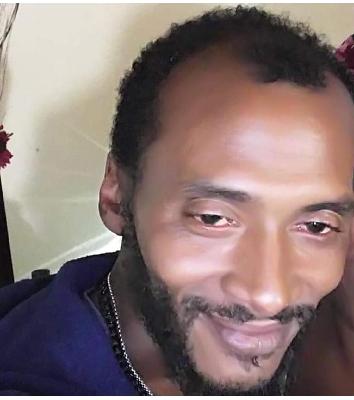
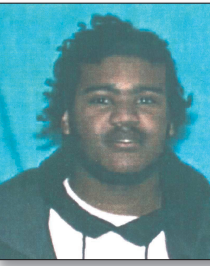
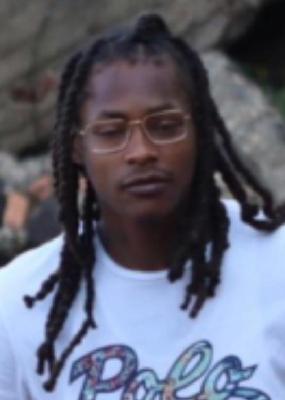
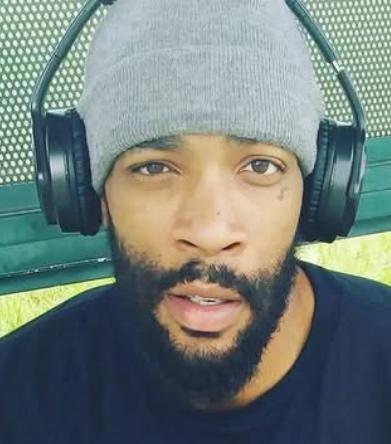
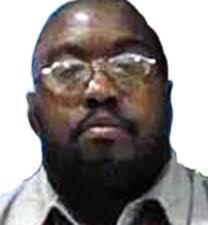
Terrell Butler was a 41-year-old Black/African American male from Northeast Washington, DC, whose life came to a violent end on a late-summer night in 2018. Late on Friday, September 21, just after 9:30 p.m., gunfire broke the usual sounds of traffic and voices at the intersection of 51st and F Streets SE, in the 5100 block of F Street. Police and emergency crews were dispatched after reports of shots fired, and when officers arrived they found him lying wounded in the street with multiple
gunshot wounds. He was rushed from the scene to a local hospital, where efforts to save him failed and he was pronounced dead, with public records and memorials marking his death as September 22, 2018.
The night of his killing was especially violent for the District. Across several neighborhoods, multiple shootings left nine people wounded and two dead, and his case became the fourth incident in that grim overnight sequence. At 51st and F Streets SE, another victim was found suffering from gunshot wounds alongside him; that second person survived after being taken to the hospital with injuries described as non–life-threatening. In contrast, his injuries were immediately recognized as life-threatening, and despite the speed of the response and transport, the hospital could not reverse the damage the bullets had done. The intersection where he fell, a busy corner in Southeast, was transformed in an instant from a familiar crossroads into an active crime scene marked off by tape, flashing lights and the quiet, methodical work of detectives and crime-scene technicians searching for shell casings, witnesses and any clue that might explain who had opened fire and why.
In the days that followed, his name appeared in police releases, local news reports and on a national gun-violence memorial site, confirming his identity, age and neighborhood and fixing the time of the shooting at about 9:39 p.m. on that Friday night. The Metropolitan Police Department's Homicide Branch circulated a reward flier that placed his photograph above the words “Homicide Victim” and offered up to $25,000 for information leading to the arrest and conviction of whoever was responsible, listing the corner of 51st and F Streets SE and the exact time of the killing as anchors for anyone whose memory of that night might help. Not long after, a street shrine rose at the spot where he had been shot, documented in photographs: a small memorial on the sidewalk in the 5100 block of F Street SE, accompanied by a brief reflection invoking justice and peace, a visible sign that those who knew him or had simply been moved by the story were not willing to let his name disappear into a statistic.
Years later, the investigation into his death remains unresolved. His name is still listed by the Metropolitan Police Department among its major unsolved homicides for 2018, tied to that same intersection and date, a public reminder that the case is open and that detectives continue to seek information. Independent tracking sites that compile cases like his describe the shooting as unsolved and emphasize that, despite the reward and repeated appeals for help, no one has been arrested or publicly charged in connection with the crime, and no suspect or suspects have been officially identified in public records. On discussion forums linked to his case, people write about the lingering grief and frustration that no one has been held accountable, imagining the weight that absence of justice places on his family and community. His story, preserved in police bulletins, memorial pages and the simple shrine at the corner where he fell, stands as an unfinished chapter in the city's record of violence, waiting for the moment when someone steps forward with the piece of information that can finally name those responsible.