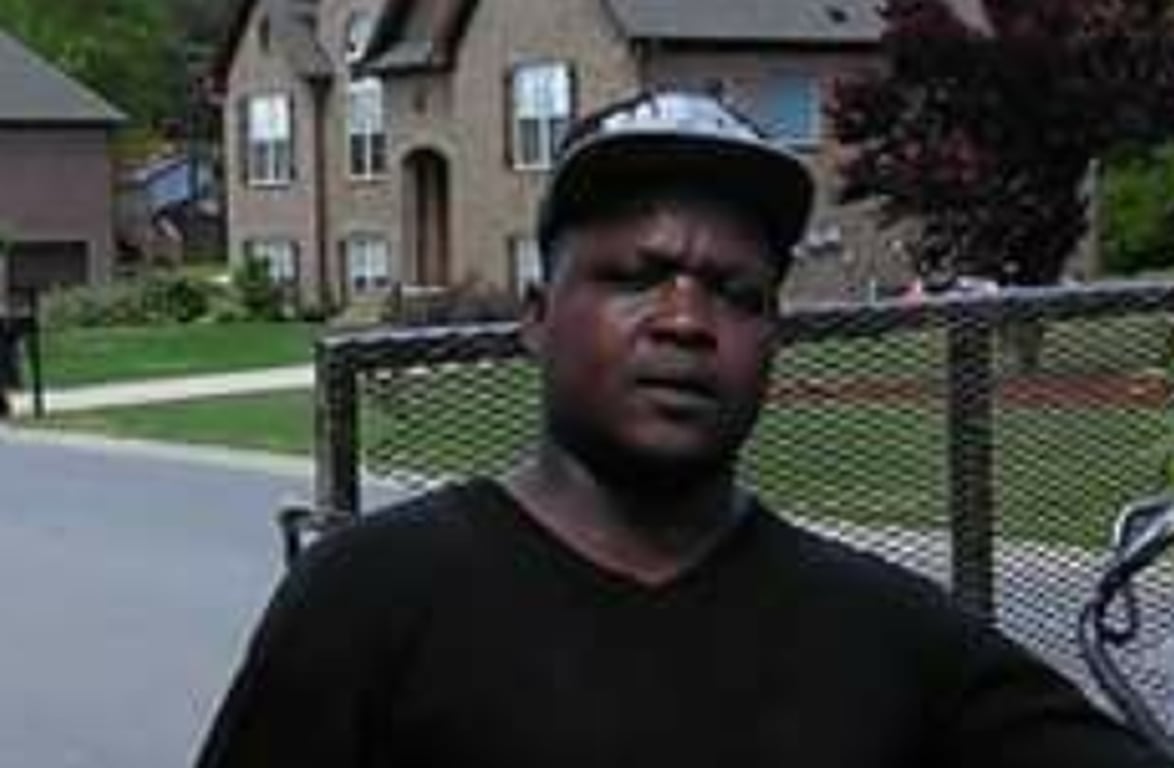
Do you know who murdered Victor?
In the heart of a Birmingham, Alabama evening, a burst of violence shattered the night, leaving a man slain and a community searching for answers. The life of Victor Dewayne Eaton, a 41-year-old male, was abruptly ended by gunfire on February 13, 2017. The fatal encounter unfolded outside an apartment complex situated in the 800 block of 11th Street North, a location that would become the focal point of a complex and challenging police investigation.
When the urgent calls reporting gunfire first echoed through the city's emergency response system, Birmingham police officers were dispatched to a scene of chaos and dread. Upon their arrival, they discovered Victor Eaton suffering from critical gunshot wounds. The urgency of the situation was palpable as he was quickly transported to a local hospital. Despite the swift medical attention, the gravity of his injuries proved to be too severe, and he was pronounced dead shortly after his arrival.
The initial stages of the investigation were fraught with difficulty, as detectives encountered a wall of silence. Cooperation from potential witnesses was limited, leaving the authorities with few immediate leads to unravel the motive behind the deadly shooting. Investigators began to piece together the puzzle, speculating that the incident may have stemmed from an ongoing dispute. The targeted nature of the attack suggested a personal conflict had escalated to a fatal conclusion. As they delved deeper into Eaton's life, they uncovered that he had been involved in several conflicts, providing a potential avenue for their inquiry.
This painstaking investigative work eventually bore fruit, leading authorities to focus on a person of interest. Their attention centered on a man named Charles Monroe, who was known to be an acquaintance of Eaton. As the evidence mounted, the Birmingham Police Department took the decisive step of arresting Monroe, charging him in connection with the shooting death of Victor Eaton. The arrest marked a significant turning point in the case, offering a semblance of progress in the quest for justice for Eaton and his grieving loved ones. However, the ultimate resolution of the charges brought against Charles Monroe and the full story of what transpired on that fatal February evening remain less publicly documented.