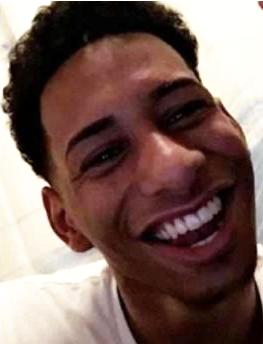
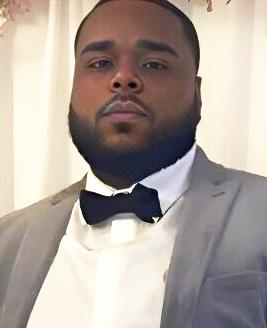
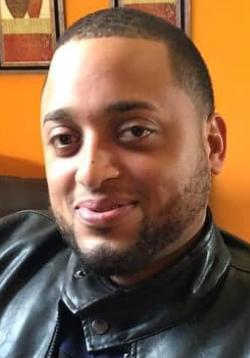
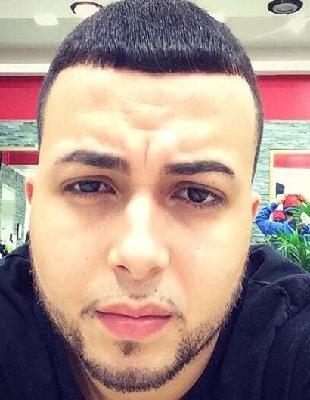
In the early morning hours of August 17, 2014, a gathering of people at the Stadium Housing Project in Lawrence, Massachusetts, turned into a scene of tragedy. Mark Trussell, a 35-year-old Caucasian male and a father of four, was attending a party when violence erupted, irrevocably changing the lives of his loved ones. He was simply in the wrong place at the wrong time, an innocent bystander caught in the crossfire of a conflict that did not involve him.
The incident stemmed from a
desire for revenge. Joshua Chevez, seeking retaliation against a man he believed had shot his friend, arrived at the party intending to kill his target. Instead of finding his intended victim, Chevez fired into the crowd, striking Mark Trussell in the back of the head. Trussell was gravely wounded and airlifted to a Boston hospital, where he died a few days later. He was not the intended target of the shooting.
The investigation that followed was fraught with challenges, as many eyewitnesses were reluctant to cooperate or testify. Despite these difficulties, law enforcement was able to identify three individuals responsible for the senseless act. Joshua Chevez, the man who fired the fatal shot, was arrested and later convicted of second-degree murder. A second man, Jeremiah Torres, was also tried and found guilty of second-degree murder in connection with Trussell's death.
A third co-defendant, Juan Castillo, was acquitted of the murder charge but was convicted of witness intimidation for threatening to kill a witness if he testified before the Grand Jury. The prosecution of these individuals brought a small measure of justice to Mark Trussell's family, though the case highlighted the difficulties in prosecuting gang-related violence, where fear and intimidation often silence those who witness the crimes.