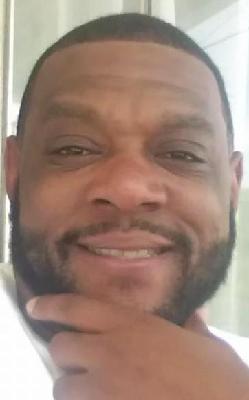
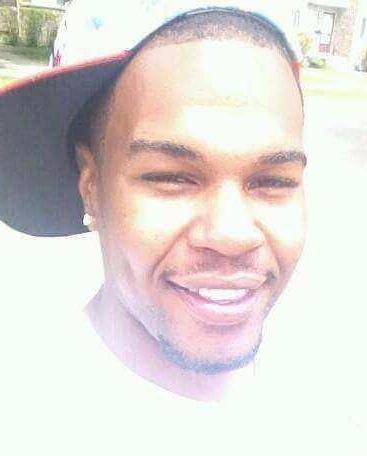
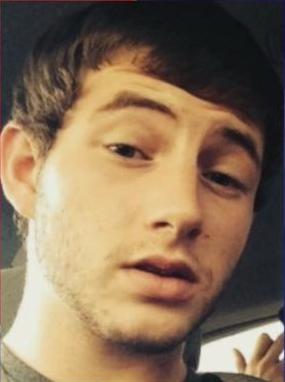
Bryan G. Rogers II, a 29-year-old man from the Ripley, West Virginia, area, was fatally shot on December 27, 2015, on Charleston's West Side. The shooting occurred at about 3:00 p.m. near the intersection of Seventh Avenue and Rebecca Street, close to the Littlepage Terrace Apartments. Investigators said Rogers had been confronted in an alley before he was shot once in the abdomen at close range. Wounded, he made his way into the nearby West Side Market and Deli, where he collapsed.
Emergency personnel transported him to CAMC General Hospital, but he died a short time later.
Police initially announced that they had no identified suspect and began interviewing witnesses in the neighborhood. The investigation moved quickly, however, and detectives focused on Tremaine Jackson of Charleston. Jackson was taken into custody late the following night on an outstanding capias, and authorities subsequently charged him with first-degree murder in Rogers' death. During a recorded police interview, Jackson initially denied knowing Rogers, but investigators said he eventually admitted that he had been the person who shot him.
According to the criminal complaint and statements from Charleston police, Jackson claimed the confrontation was connected to approximately $3,000 worth of heroin that he believed Rogers had taken from him several weeks earlier. Police said Jackson described confronting Rogers over the drugs and becoming involved in an altercation with him. Investigators alleged that Jackson then pulled a. 380-caliber handgun from his pocket and fired a single shot into Rogers' stomach. Detectives said the firearm used in the killing was never recovered. Jackson was initially held in the South Central Regional Jail without bond.
The December shooting was not the first time Rogers had been wounded by gunfire that year. Charleston police reported that he had been shot in the arm in October 2015 in a separate incident. He survived that earlier shooting, which was still being investigated when he was killed in December. Rogers' December death became Charleston's seventh homicide of 2015, and police reported that an arrest had been made in each of the city's seven homicide cases that year.
The case against Jackson proceeded into the court system in 2016. A Kanawha County grand jury indicted him on a murder charge, and prosecutors maintained that Rogers had been killed during a confrontation stemming from the alleged heroin dispute. When Jackson went to trial in September 2016, prosecutors encountered difficulties with witnesses. At least some witnesses were reluctant to testify, and one man called by the prosecution repeatedly invoked the Fifth Amendment rather than answer questions about the case.
That first trial never produced a verdict. After the jury had begun deliberations, Kanawha Circuit Judge Charles King learned that one of the jurors had independently gone to the scene where Rogers was killed despite instructions prohibiting jurors from conducting their own investigation. The juror reportedly discussed what she had seen with other members of the jury and then was accused of being untruthful when questioned about the visit. Rogers' father happened to see the juror at the location and photographed her there. The misconduct forced the judge to declare a mistrial. The juror, Taniqra Payne, was later charged with perjury in connection with the incident.
Jackson was tried again in July 2017. During that proceeding, jurors were shown the recorded police interrogation in which Jackson initially denied involvement and said he had never met Rogers before later telling detectives that he was the gunman. Despite days of testimony and deliberations, the second jury also failed to reach a unanimous decision. After four days of deliberation, jurors informed the court that they were hopelessly deadlocked, and Judge King declared a second mistrial.
Following the second mistrial, Jackson was granted a $150,000 bond and a third trial was scheduled for November 13, 2017. That trial never occurred. On November 2, Jackson entered what West Virginia courts describe as a Kennedy plea, comparable to an Alford plea, to felony voluntary manslaughter involving a firearm. Under that type of plea, a defendant accepts a criminal conviction without admitting that he committed the underlying act. The agreement brought the murder prosecution to an end after nearly two years and two unsuccessful trials.
Kanawha County Circuit Court sentenced Jackson to 10 years in prison for voluntary manslaughter. The disposition meant that the original first-degree murder accusation did not result in a murder conviction, but Jackson nevertheless received a felony manslaughter conviction arising from Rogers' fatal shooting. The case therefore concluded with an arrest, indictment, two mistrials, and ultimately a plea and prison sentence rather than a jury verdict.