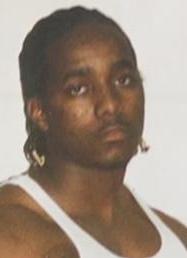
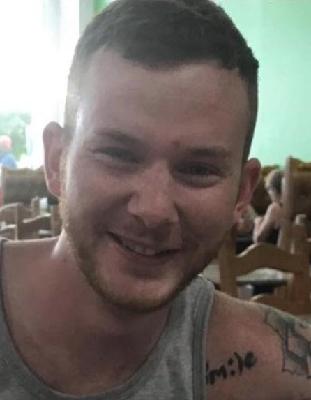
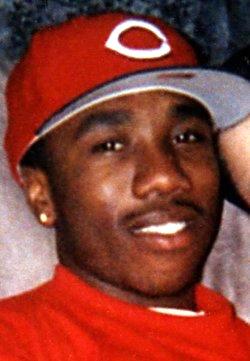
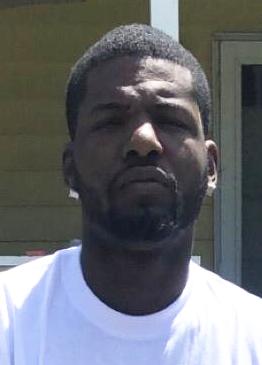
Henry Q.N. Silver, a 29-year-old White/Caucasian male from Carolina, West Virginia, died suddenly on September 9, 2022, after a shooting at an apartment complex in the Marion County community of Carolina. He had formerly lived in the Orrtanna and Gettysburg, Pennsylvania, area, where his obituary remembered him as a son, father, brother, and friend whose life stretched far beyond the final moments that brought his name into court records and news reports. He was described as an arborist who enjoyed guitar, ATVs, fishing, art, and spending time with family and friends.
The killing unfolded around a personal conflict that prosecutors later described as having been pulled into the world of the Pagan Motorcycle Club. Authorities said John Lee Wolfe, a club member, believed Silver was romantically involved with his girlfriend. Investigators alleged Wolfe confronted Silver at the Carolina apartment complex and then contacted others connected to the club.
According to police and court accounts, two men arrived after that confrontation, one reportedly wearing a ski mask, and Silver was shot in the parking lot before those involved fled.
The investigation grew over the months that followed. Wolfe was arrested in October 2022, and in June 2023 authorities announced additional arrests after sealed indictments were returned by a Marion County grand jury. Jonathan Biller, Derek Clem, Dane Hull, and Austin Mullins were arrested and charged in connection with Silver's murder, while Wolfe was also charged with the group. Officials said the charges included first-degree murder, conspiracy to commit a felony, and use or presentation of a firearm during the commission of a felony. Marion County Sheriff Jimmy Riffle said search warrants were served across several counties, including Marion, Harrison, Lewis, and Barbour, as investigators continued examining the roles each suspect allegedly played.
By 2024 and 2025, the case had produced multiple convictions and sentences. John Lee Wolfe was convicted of first-degree murder, conspiracy, and use of a firearm in the commission of a felony. Prosecutors said he ordered the killing after learning of the relationship involving Silver and Wolfe's girlfriend. A jury also decided Wolfe should receive no mercy, and he was sentenced to life in prison with no chance of parole, along with additional prison terms for conspiracy and the firearm conviction.
Austin Mullins was convicted of second-degree murder and sentenced to 40 years in prison, with additional sentences for use of a firearm during the commission of a felony and being an habitual offender. Reports identified him as the suspected shooter in the case. Derek Clem was convicted of first-degree murder and conspiracy and was sentenced to life with mercy, meaning he could eventually become eligible for parole, along with a concurrent one-to-five-year sentence for conspiracy. Dane Hull was acquitted of first-degree murder but convicted of conspiracy to commit a felony and possession or use of a firearm during the commission of a felony; he was sentenced to consecutive prison terms, including 15 years on the firearm charge and one to five years on the conspiracy charge.
Ryan Lane, described in reports as an alleged Pagan Motorcycle Club leader or chapter president, was later charged after testimony in Wolfe's trial. His murder trial ended in a mistrial in September 2025 when jurors could not reach a verdict. He later accepted a plea deal in which prosecutors dropped murder and conspiracy charges in exchange for a plea to organized criminal enterprise. In January 2026, Lane received five years of probation, a $10,000 fine, and court costs, rather than additional jail time. Jonathan Biller was named among those charged in the case, but the publicly available reports reviewed did not provide a clear final trial or sentencing outcome for him.
Silver's death was ultimately portrayed by prosecutors as more than a sudden argument in an apartment complex parking lot. They argued it was an organized killing tied to jealousy, control, and motorcycle club loyalty. What began as a hidden relationship, according to investigators, escalated into a planned act of violence that left Silver dead and drew six men into the criminal case that followed.