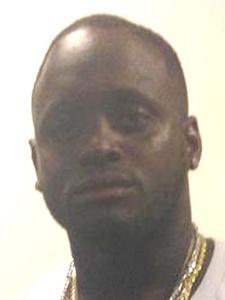
Cory H. Hughes, a 28-year-old resident of Chicago, was fatally shot on August 8, 2016. The incident occurred in the West Garfield Park neighborhood, a community that has faced significant issues with crime and violence for many years. Hughes was found at the scene with gunshot wounds, and despite efforts by first responders, he succumbed to his injuries shortly afterward.
The shooting took place amidst a particularly violent year for Chicago, with the city experiencing a dramatic spike in homicides and shootings.
In 2016, Chicago experienced one of its deadliest years in nearly two decades, with over 760 homicides recorded. Much of this violence was concentrated in neighborhoods like West Garfield Park, which are deeply affected by socio-economic issues, high rates of poverty, and a prevalence of gang activity. These factors contribute to an environment where violence becomes commonplace, and tragedies like Cory Hughes' death are all too frequent.
Cory Hughes' death also exemplifies the difficulties faced by law enforcement in addressing gun violence in Chicago. Many of these cases are hindered by a lack of witness cooperation, driven by fear of retaliation and mistrust in the police. Community organizations and city officials have continued to push for systemic changes, such as increased community policing and the development of youth programs aimed at providing alternatives to gang involvement. However, progress is often slow and complex, particularly in neighborhoods where the cycle of violence remains entrenched.
Efforts to address the violence in communities like West Garfield Park continue to be a critical focus for Chicago, with a particular emphasis on addressing the root causes of crime, such as economic disparity and lack of opportunities for young people. Cory's tragic death is a reminder of the pressing need for effective solutions to these longstanding issues.