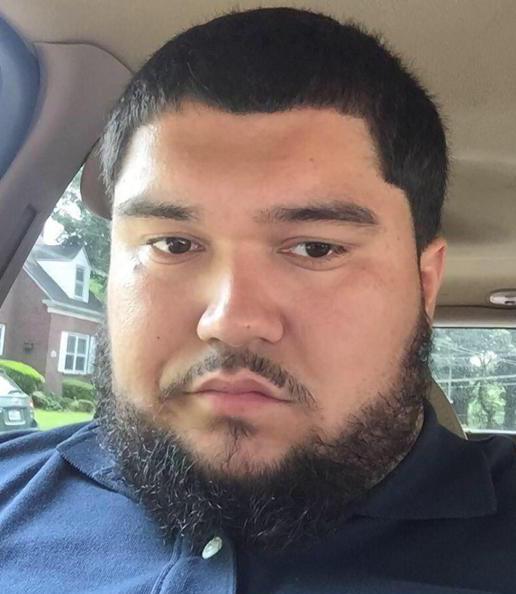
Steven Estevez Correa, a 15-year-old Hispanic/Latino male from Staten Island, was gravely wounded late on February 16, 2023, after a gun went off inside his family’s apartment in the Stapleton area. Near midnight, police and EMS were called to the Thompson Street area, where officers found him suffering from a gunshot wound to the head and rushed him to Richmond University Medical Center, where he later died from his injuries.
In the first frantic hours after the shooting, investigators focused on what had happened behind the apartment door—an incident that, at least publicly, unfolded as a tragedy inside the home rather than an attack by a stranger. Police arrested Steven’s 17-year-old brother the next day, initially lodging charges that included criminal possession of a loaded firearm and assault, along with a weapons-possession misdemeanor, as detectives worked to piece together how the gun came to be handled and why it fired.
As the investigation progressed, authorities classified the case as a homicide and the legal stakes rose. Reports indicated that the older brother was then facing a homicide charge in connection with Steven’s death, even as sources described investigators’ belief that the shooting may have been accidental—an outcome of reckless handling rather than an intentional act. Neighbors and those who knew the family spoke of the brothers as closely bonded, the kind of pair who moved through the neighborhood together, making the loss—and the accusation—feel even more unbearable to people watching from the outside.
In the aftermath, Steven was remembered as a student at Ralph R. McKee High School and as part of the McKee–Staten Island Technical High School junior varsity football community, a teen whose routines and friendships had revolved around school days and the season’s grind. Supporters organized fundraising to help the family with funeral and memorial costs, and accounts of the days that followed described a family trying to find meaning in chaos, including reports that his parents chose organ donation so that others might live.
Public reporting makes clear who police considered responsible and what charges were filed, but it is less definitive about what ultimately happened afterward in court, including whether the case ended in conviction, dismissal, diversion, or sealed juvenile proceedings. The last widely available updates center on the arrest, the evolving classification of the death, and the shift toward homicide allegations, leaving the final resolution difficult to confirm from open sources alone.