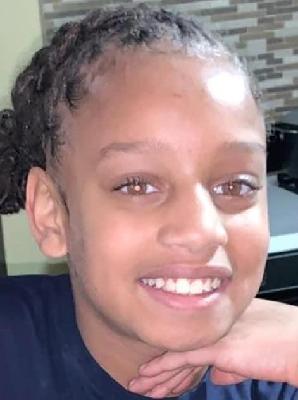
Wilanna Simone Bibbs was a 20-year-old Black/African American woman from Durham, North Carolina, who was pursuing a career as a singer when her life ended in Davenport, Iowa, on May 9, 2021. Bibbs had moved to Atlanta to pursue music, and while there she met Justin Lamont Wright, a songwriter and music-industry entrepreneur professionally known as J. Wright. They began dating and had been together for several months.
In May 2021, the couple traveled to Davenport, where authorities later said they were visiting Wright's relatives; Bibbs' mother said they were also in the area for a birthday celebration.
The day Bibbs died was Mother's Day. Her mother, Cassandra Bibbs, later recalled receiving a morning text from her daughter wishing her a happy Mother's Day, expressing her love and appreciation, and asking her to call. Cassandra tried to reach her but received no answer. Later, while she was working, she discovered that Bibbs had attempted to call her several times in rapid succession. Those unanswered calls became especially painful after the family learned what had happened. Cassandra subsequently described Bibbs' relationship with Wright as troubled, saying the two fought and that Wright behaved in a controlling manner. She characterized the relationship as toxic and said she hoped telling her daughter's story would raise awareness about domestic violence.
At approximately 1:25 p.m. on May 9, Davenport police were dispatched to a residence in the 1500 block of Calvin Street after a reported disturbance. Other court-related reporting described the call as involving an open 911 line. Inside the residence, officers found Bibbs suffering from a gunshot wound. Davenport Fire and emergency medical personnel responded, but she was pronounced dead at the scene. Investigators quickly focused on Wright, who was at the center of the ensuing homicide investigation. According to the arrest affidavit later cited in court reporting, authorities accused Wright of deliberately and with premeditation shooting Bibbs.
Wright, then 31 and listed as being from Atlanta, was arrested and charged with first-degree murder. The initial investigation did not publicly establish a motive, and police continued asking anyone with information to contact investigators. Wright's bond was set at $500,000 cash-only. As more information emerged, Bibbs' family spoke publicly about the relationship and the circumstances preceding her death, while prosecutors moved forward with the allegation that the shooting had been an intentional, premeditated killing rather than an accident.
Wright contested the charge. On June 24, 2021, court records showed that he entered a written plea of not guilty to first-degree murder through his attorney. What had initially been scheduled as a relatively early trial was delayed, and the prosecution ultimately reached a jury more than a year and a half later. At the eventual trial, prosecutors described how Bibbs had met Wright after moving to Atlanta to pursue her music ambitions and how the two began living together and dating in the months before the killing. The trial began on March 28, 2023, and after the evidence and arguments were completed, jurors deliberated for approximately 90 minutes before reaching their decision.
On April 10, 2023, the Scott County jury found Justin Lamont Wright guilty of first-degree murder. The verdict meant Wright faced Iowa's mandatory punishment for that offense: life imprisonment without the possibility of parole. The conviction brought the criminal trial to an end nearly two years after Bibbs was shot inside the Davenport residence.
Wright returned to court for sentencing on June 14, 2023. During that hearing, Bibbs' father, Thomas Bibbs, said his daughter had been killed over a dispute involving $70. That statement was presented as her father's account of what precipitated the killing rather than as a motive established in the earliest police reports. Scott County Attorney Kelly Cunningham said Bibbs and Wright had been in Davenport visiting Wright's relatives. Wright did not address the court during the sentencing hearing. The judge imposed the mandatory sentence of life in prison without parole for the first-degree murder conviction.
The case later reached the Iowa Court of Appeals. Wright challenged his conviction by advancing an argument involving ineffective assistance of counsel, which he attempted to characterize as structural error. On January 9, 2025, the appellate court dismissed his appeal. The court explained that Iowa law does not permit ineffective-assistance claims to be decided on direct appeal and that such allegations instead must be pursued through the state's post-conviction-relief process. Because the appellate judges concluded they had no authority to grant relief on the claim Wright presented, the appeal was dismissed, leaving his first-degree murder conviction and life-without-parole sentence in place.