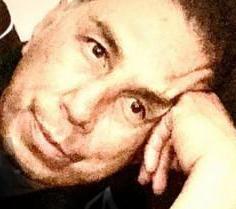
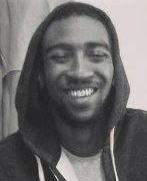
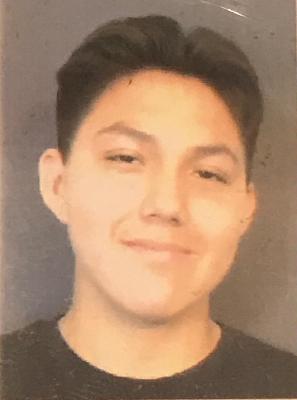
Joe Acosta was 18 years old, a Hispanic male from the border city of San Luis Río Colorado in Mexico who had moved to Phoenix to study at Arizona State University, straddling two countries as he tried to build a future for himself. Friends would later remember him in photos with digital angel wings and short, heartfelt messages, the kind of informal memorials that appear when a life is cut short before it ever really settles into adulthood.
In April 2018, sometime around late morning,
Joe arrived at a west Valley hospital with a gunshot wound. Staff called Phoenix police at about 11:30 a.m., and officers learned that he had walked in under his own power, gravely injured but still alive. Despite efforts to save him, he died shortly after reaching the emergency department, his death quickly treated as a homicide.
Detectives began working backward from the hospital, tracing the shooting to west Phoenix near 64th Avenue and Van Buren Street. The place tied to the gunfire was an abandoned property, the kind of forgotten spot at the edge of a neighborhood where trouble collects. When officers searched the area, they found stolen vehicles and other physical evidence of the shooting, clues scattered among the derelict surroundings that suggested a broader criminal undercurrent around the killing.
As the investigation developed, Phoenix police publicly identified 27-year-old Carlos Pacheco as the primary suspect. A Silent Witness reward flyer and follow-up news stories explained that detectives had developed probable cause to arrest him for Joe’s homicide but had not yet been able to find him. The flyer described Pacheco in detail and noted that he had been identified as being involved in the shooting along with another, still-unidentified male. Investigators believed that second man was also present during the gunfire near the abandoned property and appealed for help from anyone who might recognize either of them, emphasizing that tips submitted before any arrest or indictment could qualify for a cash reward.
Years later, online case summaries still tell the story in much the same way: Joe walking into the hospital wounded, the discovery of stolen cars and shell casings at the west-side property, and the naming of Pacheco as a suspect while another man remains unnamed. These accounts describe the killing as an unsolved homicide and invite the public to share any information that might move the case forward, underscoring that the investigation is still portrayed as open in publicly available materials. None of the accessible reports mention a subsequent arrest or criminal conviction specifically tied to Joe’s death, leaving the impression that, at least in the public record, the people responsible have not been definitively brought to justice.
Alongside those investigative details, Joe’s name appears on memorial sites that list Americans killed with guns and in youth-driven projects that try to reclaim victims from anonymity by sketching the outlines of their lives. Friends commenting on his case in online forums talk about how the story lingers with them and how the circumstances at the abandoned property suggest there was “so much more” going on than the brief news items could capture. Together, the unresolved investigation and the scattered online tributes form a kind of fragmented narrative: a cross-border student whose ordinary morning ended in a hospital trauma bay, a crime scene among stolen cars in west Phoenix, a named suspect and an unidentified accomplice, and a family and community still waiting, years later, for a clear answer to who killed him and why.